

























































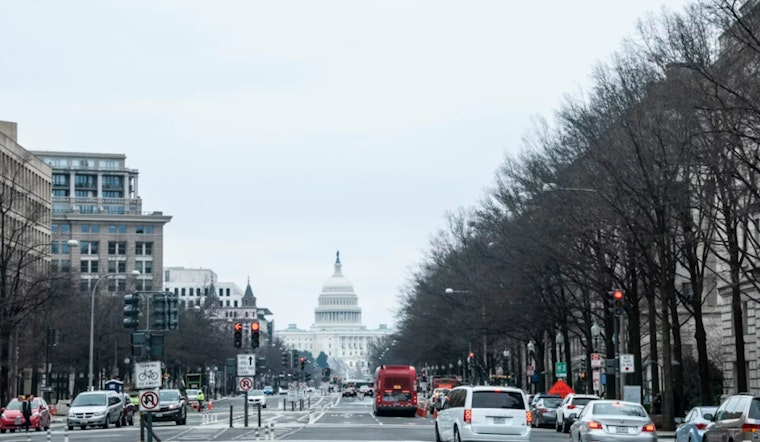
With the National Weather Service issuing a slew of warnings for the D.C. area, residents are bracing for severe winter weather conditions. According to the latest NWS update, a High Wind Warning is set to take effect early Saturday, with gales reaching up to 60 mph expected to buffet central and southern Maryland, Northern Virginia, and portions of D.C.
The NWS advisory, which remains active from 4 AM to 7 PM EST Saturday, warns of potential damage as "damaging winds will blow down trees and power lines. Widespread power outages are expected." The related cold front sweeping through is also significant. It is poised to plunge temperatures to chilling lows, bringing wind chills as low as 13 below zero, which "could result in hypothermia if precautions are not taken."
Alongside the wind hazards, a Cold Weather Advisory will be in place from 4 AM Saturday to 10 AM EST Sunday. This serves as a critical reminder for residents regarding the risks posed by the frigid conditions. NWS elaborates, "Wind chills will remain at or below zero during the day on Saturday due to windy conditions and cold temperatures."
Preparedness measures have been issued to help protect the community, with officials advising residents to stay on lower levels of their homes during the windstorm and to keep away from windows. Travel conditions are expected to be hazardous, particularly for high-profile vehicles, prompting authorities to urge caution for anyone who must be outdoors. Residents are also encouraged to dress appropriately for the conditions, including wearing warm clothing, hats, and gloves.
Considering the impending inclement weather's wider impact on the region, the NWS issued a Hazardous Weather Outlook that spans across the Chesapeake Bay, Tidal Potomac River, and I-95 corridor through central Maryland, northern Virginia, and District of Columbia. This includes an Extreme Cold Warning for specific Maryland counties and a Gale Warning for marine locations starting at 2 AM. Citizens should stay aware and take necessary precautions as the weather system progresses.



