

























































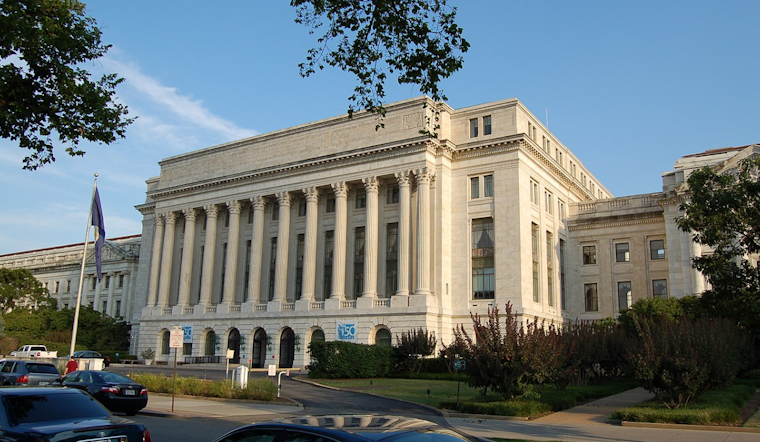
Federal food aid just ran into a brick wall in San Francisco. At a hearing today, U.S. District Judge Maxine Chesney signaled she will rule that the federal government cannot force states to turn over detailed records on people who apply for or receive SNAP benefits. Her tentative decision cuts against a months‑long push by the U.S. Department of Agriculture to centralize individual SNAP files for an integrity review, a move that could reshape how states guard the personal data of millions of recipients.
Chesney told lawyers she plans to issue an order saying the federal government may not act on letters the Agriculture Department sent to states last year, according to The Associated Press. She first blocked the agency’s demand in 2025 after 22 states filed suit, and the legal fight has rolled on through a series of follow‑up motions. At Friday’s hearing, she zeroed in on whether USDA can lean on the threat of withholding administrative funds to pressure states into compliance.
What the USDA sought
The department initially asked states this spring to transmit detailed SNAP records, then warned it would pause certain state administrative payments for non‑compliance, as laid out in a USDA press release. Officials say the files, which can include names, Social Security numbers, birth dates and immigration status, are needed to catch duplicate enrollments and other alleged fraud, and the agency has published protocols it claims will keep the data secure. States that balked at the request argue those safeguards fall short and warn the information could be redirected to immigration enforcement.
Who has complied
Twenty‑two states and the District of Columbia have sued to block the demand, arguing that the SNAP statute strictly limits how beneficiary data can be shared, according to The Associated Press. The outlet reports that most states have turned over at least some records, while a smaller bloc has refused outright. Nevada has taken the unusual route of both suing and complying. Kansas has not complied and also stayed out of the lawsuit. Those splits have turned the fight into a political and legal standoff over federal leverage, state privacy obligations and who blinks first.
Why it matters for families and state budgets
SNAP currently serves roughly 42 million people, and states rely heavily on federal administrative dollars to run the program, so any interruption in that funding could strain local safety nets, as The Washington Post reports. USDA has told states that its early review of the records it has already received suggests fraud is more widespread than previously believed, but the agency has not released a detailed public breakdown of those findings. State officials and legal advocates counter that the mere possibility of data being used outside core SNAP administration could scare eligible families away from applying and chip away at privacy protections for those who do.
Legal implications
If Chesney formalizes her tentative ruling, it would bolster prior decisions holding that the SNAP Act restricts how states may disclose applicant information, and that federal agencies cannot dodge those limits by tying compliance to funding threats. The case also tests whether broad executive branch goals about breaking down “information silos” can override specific statutory privacy rules and limits on the federal spending power, an argument closely tracked by legal analysts at Just Security. Appeals are widely expected, and the fight could easily land before the federal courts of appeals.
For now, states and USDA are waiting on Chesney’s written order, which will turn her tentative comments into a binding directive. That document will decide whether the agency can keep pushing for nationwide access to state SNAP records while the broader legal questions play out. However it comes down, the ruling will reverberate through debates over data privacy, immigration enforcement politics and how far federal agencies can go in using funding to muscle states into line.





