

























































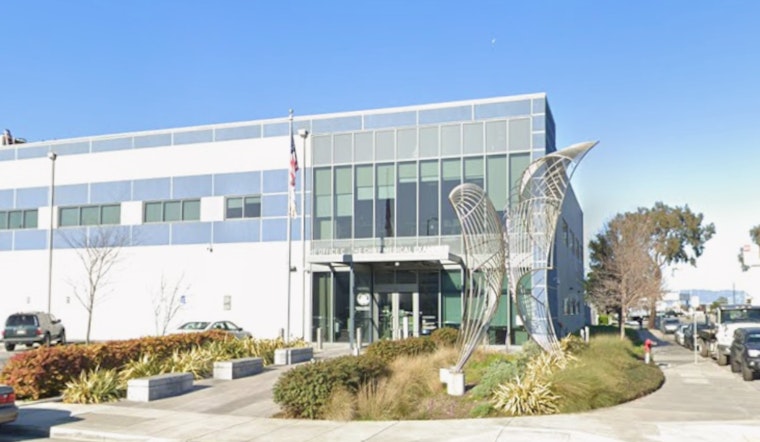
San Francisco is poised to pay $750,000 to settle a wrongful termination lawsuit brought by a former employee of the Office of the Chief Medical Examiner who says a top official threw away an unidentified human skull. An ordinance approving the payout is scheduled to be introduced to the Board of Supervisors this week, then sent to the Government Audit and Oversight Committee before a final vote in the coming weeks. The suit, filed in 2024 by former staffer Sonia Kominek‑Adachi, alleges she was retaliated against and ultimately fired after sounding the alarm about the missing skull.
What the lawsuit says
Kominek‑Adachi’s complaint claims that OCME Executive Director David Serrano Sewell tossed the skull while clearing the viewing room, then obstructed efforts to track it down, leaving investigators without a crucial piece of evidence, according to court filings. Her attorney, James Urbanic, told KQED that “Sonia wasn’t just fighting for herself in this case.” The lawsuit further accuses Serrano Sewell of pressuring staff to alter documents related to accreditation and of interfering in other investigations handled by the office.
Where the skull came from
According to depositions cited in the lawsuit, the skull had been set in reconstruction clay, which made it look more like a mannequin head than human remains. Staff did not launch a formal search until the issue drew media attention, the filings say. Documents obtained by The San Francisco Standard connect the missing skull to an unidentified man whose body was found near an encampment at Lake Merced in 2014. The complaint describes the skull as “a critical element” in identifying the man and argues its disappearance hindered those efforts.
How the city responded and what’s next
The city has agreed to a $750,000 settlement to resolve Kominek‑Adachi’s wrongful termination claim, and an ordinance authorizing the payment will go before the Board of Supervisors, according to KQED. The outlet also reports that the U.S. Department of Justice had previously ordered the OCME to improve how it tracks missing and unidentified persons, which was exactly the work assigned to Kominek‑Adachi. The settlement must move through the Government Audit and Oversight Committee before the full Board can vote on final approval.
Agency practices and public records
The Office of the Chief Medical Examiner’s own website notes that investigators identify a decedent quickly in the overwhelming majority of cases, according to the OCME. Kominek‑Adachi’s lawsuit says she had been tasked with improving the office’s files on missing and unidentified people and argues that losing even a single skull can block an identification and deny families closure. The agency has already drawn scrutiny in recent years over backlogs and record management practices, and this case adds another uncomfortable chapter to that story.
Why it matters
Local reporting has linked the incident to a broader pattern of problems around unclaimed and unidentified remains. Mission Local has detailed that wider history, while The San Francisco Chronicle has documented past accreditation issues and backlogs at the OCME. Advocates and former staff say the missing skull case highlights how lapses in chain of custody and record keeping can rob families of answers and chip away at public trust in an office that often represents the final official contact for grieving relatives. If the settlement goes through, supervisors and oversight bodies are expected to face pressure to push for tighter procedures and clearer accountability.
If the Board signs off on the ordinance, the payout would resolve Kominek‑Adachi’s claim and sidestep a public trial, although much of the underlying story will remain preserved in court filings that could fuel future oversight or policy changes. As the agreement moves forward, the Government Audit and Oversight Committee will have a chance to question city attorneys and OCME leaders about what happened and what, if anything, will change.





