

























































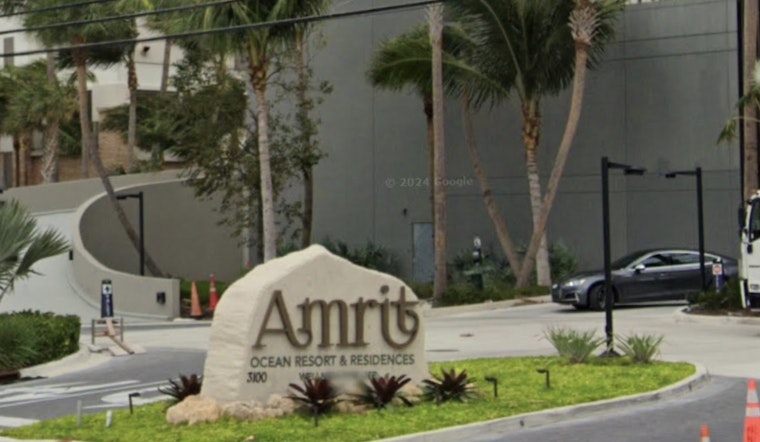
What was pitched as a serene wellness escape on the Riviera Beach shoreline has turned into a legal headache for the Amrit Ocean Resort on Singer Island, where condo buyers, contractors and a homeowners’ association are now locked in a wave of lawsuits. They say units sold as luxury condominiums were never actually approved for full‑time living, and a separate fight over whether key building plans should be public has turned the oceanfront project into as much of a courtroom drama as a real‑estate story.
Residency Status Sits at the Heart of the Suits
Riviera Beach City Council member Glen Spiritis says frustrated buyers started calling him last year after they dug into paperwork and found conflicting accounts of how the property was approved. “These people thought they were going to be living on the beach — not in a courtroom,” Spiritis told CBS12, which reviewed planning documents showing the project was approved under resort‑hotel zoning, not traditional residential zoning.
Owners and Contractors Press Claims of Defects and Unpaid Bills
At least seven separate lawsuits accuse the project of a mix of construction problems and unpaid bills, according to reporting by WPTV. Owners point to inoperable elevators, shattered windows, water intrusion and cracking ceilings. Some contractors, meanwhile, claim they are still waiting on six‑figure payments for work they say is complete. One of the development’s two homeowners’ associations has also gone to court, seeking to force the city to hand over site plans and permit reviews.
Developer Control and Earlier Lawsuits
This is not the project’s first trip to the courthouse. A buyer sued in 2024, alleging the developer improperly kept control of the condominium association instead of turning it over to unit owners, The Real Deal reported, and motions to dismiss followed. Those corporate and governance allegations now sit alongside the newer construction, zoning and tax disputes, creating a complicated legal landscape for both owners and the developer.
Paperwork and a Public‑Records Fight
Public records and county listings show the developer recorded a condominium declaration that explicitly treats the units as “not permanent residences.” Palm Beach County Property Appraiser Dorothy Jacks says her office warned the developer years ago that that wording was likely to cause trouble, according to the Palm Beach County property appraiser’s online database. That legal language, paired with marketing that at times billed Amrit as “182 ultra‑luxurious condominiums,” now sits at the center of fights over whether units qualify for homestead tax breaks and how they should be classified on the tax rolls. A sample county property summary for the project is available from the appraiser’s site.
Developer Response and Sealed Plans
The developer has pushed back, arguing that some of the pending matters “do not directly involve the resort” and that several claims actually concern third parties, according to WPTV. At the same time, the development team is fighting court orders that would unseal certain building plans and design files. The city has said it intends to release those records, but that decision is now in a judge’s hands, and the ruling could shape how much internal documentation owners and their attorneys can put in front of a jury.
Legal Implications for Owners
For many buyers, the high‑stakes issue is Florida’s homestead exemption, a property‑tax benefit for primary residences that is administered by county property appraisers. The question is whether zoning approvals, recorded condo declarations or the way units were marketed might prevent a unit from being treated as a true primary home. State guidance and statute spell out how homestead eligibility is evaluated, and improper claims can trigger serious financial consequences; see relevant state rules as summarized by the Florida Senate and county appraisal guidance.
What’s Next
In the coming months, court hearings and legal motions will determine whether owners can secure homestead status, gain access to the contested city records, or recover damages related to alleged construction defects and unpaid bills. For now, buyers, lawyers and Riviera Beach officials are waiting on rulings that could reshape how resort‑style condo projects on Singer Island and across Florida are documented, marketed and ultimately lived in.





