

























































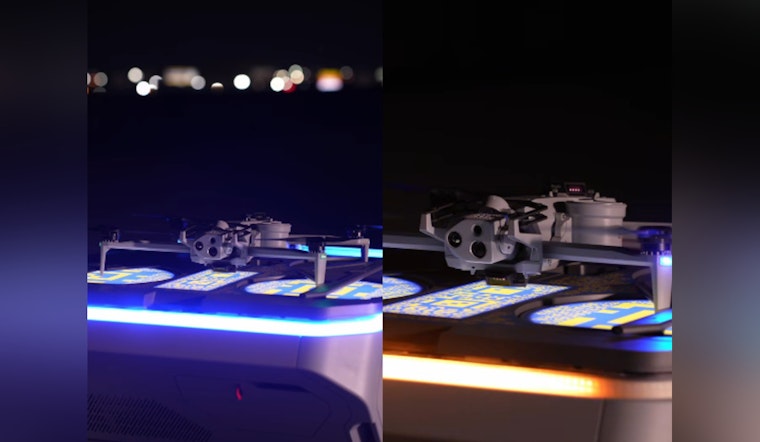
Call 911 in Jefferson Parish, and odds are a drone will beat the squad car to the scene. Parish officials say a new network of docked drones tied into a central control room has cut the average police response time to about two minutes. The aircraft are positioned across the parish and controlled from a single operations hub, launching as near-instant first responders to many 911 calls. Local leaders and agency data point to early drops in several major crime categories since the rollout.
As reported by FOX 8, Sheriff Joe Lopinto said the Jefferson Parish Sheriff's Office long relied on a five-minute response standard, but that average has recently fallen to roughly two minutes under the new program. Lopinto told FOX 8 that JPSO currently has 23 drones that can reach a scene quickly and stream live video back to deputies as they drive in.
How the drones work
The "Drone as First Responder" system stations roughly 20 to 23 docked aircraft across the parish and lets trained pilots at the Harvey operations center launch them within seconds of a 911 call, Axios reported. The drones cruise at around 200 feet and carry spotlights, thermal and visible-light cameras, speakers and strobe lights. According to Axios, the equipment runs about $1.5 million a year and the program does not use facial-recognition technology.
Early results and crime trends
FOX 8 reported that Lopinto credited the drone program with drops in six of seven major crime categories and said auto thefts have fallen to about 300 a year, a sharp decline from the 1990s. He also told FOX 8 that murders ticked up slightly, from 19 in 2024 to roughly 21 in 2025, but that Jefferson Parish's homicide solve rate remains above 80 percent.
At a December event unveiling the program's control room, Lopinto said the initiative had assisted in more than 60 arrests since partial operations began in November, according to WGNO. Deputies who spoke with reporters said the quick aerial view helps them track fleeing suspects and avoid sending officers into risky blind chases.
Privacy and legal oversight
Officials have emphasized that the drones do not use facial recognition or license-plate readers and that footage is recorded and stored in a way similar to body-worn camera video, per WWL. At the state level, Louisiana law now gives authorities tools to neutralize drones suspected of operating illegally or posing immediate threats, a measure that local advocates say raises questions about oversight and transparency, KPLC reported. Civil-liberties groups and some residents say they want clearer public rules on when drones are launched and how long captured footage is kept.
Officials say they plan to expand coverage and add more docks as construction wraps up, with authorities expecting to bring more drones online in the coming weeks. Coverage of the Drone First Responders program noted the initial December rollout. Supporters argue the system saves time and gives deputies faster situational awareness, while critics say it is time for clearer reporting and independent oversight of drone deployments and data use.





