

























































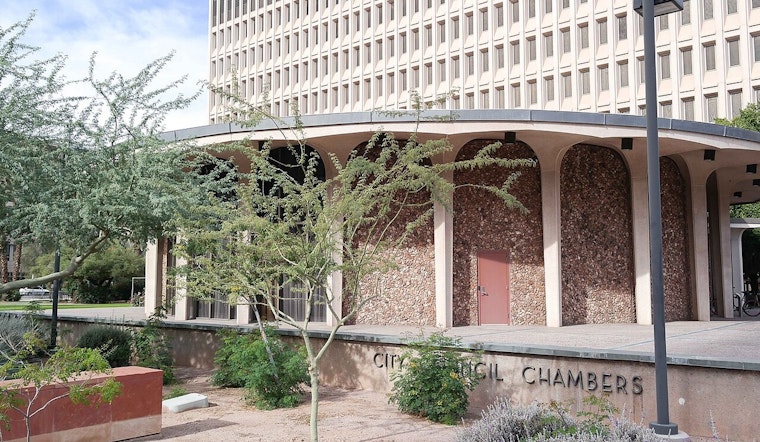
Last Wednesday, the Phoenix City Council voted unanimously to toughen the city's workplace heat-safety rules, beefing up protections for workers who report violations and adding new reporting duties for contractors on city projects. The amendment requires heat-safety plans to spell out non-retaliation protections, mandates monthly logs verifying vehicle air-conditioning beginning April 1, 2026, and gives the city new power to sideline sanctioned contractors from city contracts for a year. City leaders say the move follows repeated complaints that some employers, including those at Sky Harbor, were not fully following the 2024 ordinance.
What the council changed
The draft ordinance posted on phoenix.legistar.com revises City Code to require contractors' written heat-safety plans to include a clear promise not to retaliate against employees who report alleged heat-safety violations, to post those plans in English and Spanish, and to provide a contractor contact number for reporting. The document also reiterates that enclosed work vehicles must have functioning air conditioning, a requirement set for May 1, 2025, and adds a provision that beginning April 1, 2026, contractors must maintain monthly logs showing vehicle air-conditioning is working and make those logs available to the city on request.
Why workers pushed for changes
Outdoor workers at Sky Harbor and on other city projects kept flagging that protections in last year's ordinance were not being consistently enforced. As reported by KJZZ, Councilwoman Betty Guardado said the amendment "is about making sure no worker on a city-funded project is asked to risk their health or their life because accountability was optional."
What employers must do
The city's worker-safety guidance lays out baseline expectations for contractors: provide sanitized cool water at no cost, allow regular and additional hydration breaks, ensure access to shade or air-conditioned relief, and train employees and supervisors on heat-illness prevention. The City of Phoenix also requires that heat plans be kept on file and posted where workers can easily see them.
Enforcement and penalties
Under the amendment, city departments must ask proposers whether they have been sanctioned under the ordinance, and any contractor found in violation can be disqualified from city contracts for one year, according to the ordinance language on phoenix.legistar.com. The city has also hired a coordinator to oversee implementation at the airport, and airport workers and advocates say stronger, consistent inspections are still needed to make the rules count in practice, as previous reporting by airport workers allege unsafe heat conditions and other outlets documented breakdowns in vehicle air-conditioning and spotty compliance.
Statewide picture
The Phoenix changes come as state officials push for broader protections. A governor-appointed Workplace Heat Safety Task Force delivered recommendations late in 2025, and ADOSH's advisory committee has been reviewing next steps for possible statewide rules, according to the Office of the Arizona Governor. The Industrial Commission of Arizona has rulemaking authority, but advocates note that a state-level rulemaking process can take time and that enforcement mechanisms will be critical if standards are to reduce heat injuries.
What's next
Contractors covered by city contracts should be ready to begin monthly air-conditioning logging on April 1, 2026, while other provisions, such as the anti-retaliation language in posted heat plans, are already part of the revised ordinance. Worker groups say the amendments close important gaps, and they will be watching enforcement this summer to see whether the new reporting and disqualification tools translate into safer shifts on the tarmac and at construction sites.





