

























































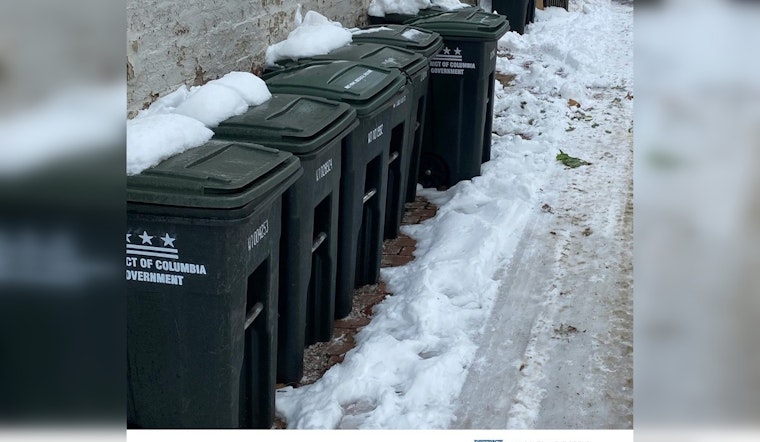
In parts of Washington, the snow is mostly gone, but the trash is still hanging around. After a late-January blast of snow and ice, bags and bins have stacked up in alleys and on stoops across several neighborhoods, with some residents saying they have gone weeks without a full collection. Overflowing cans, ripped bags and a whiff of garbage on warmer days have neighbors worried about sanitation and rodents as the city scrambles to catch up.
Neighbors report missed pickups and spilled garbage
Residents on Kenyon Street NW at Sherman Avenue NW and on the 1100 block of Bellevue Street SE told reporters their alleys were jammed with trash and that garbage had spilled into yards, according to WUSA9. One neighbor told the station that “trash was scheduled to be picked up Friday before the snow but it wasn't,” and others said their recycling has not been collected since before the Jan. 25 storm. WUSA9 also noted that residents have been venting online, posting photos, tagging 311 and DPW, and informally mapping which blocks are still waiting for service.
DPW moves to catch up
The D.C. Department of Public Works says it resumed frontside collections over the weekend and has deployed bobcats and crews to carve paths through frozen alleys so sanitation workers can reach cans by hand, according to a press release from the Department of Public Works. The agency has asked residents to set out their bins on their normal pickup day and leave them there until collections are completed. DPW has also told people to report missed pickups to 311 if trash is still sitting out after two days so crews can prioritize those locations.
Alley ice and heavy equipment slow the work
Officials and reporters say the main culprit is compacted, ice-hard “snowcrete” that has turned alleys and sidewalks into slow, slippery obstacle courses. The Washington Post reported that the city even asked the National Guard for help and shifted to heavy machinery and manual digging to clear access, a strategy that emphasizes worker safety but stretches the cleanup timeline. Crews often have to clear a narrow path first, then send trucks along modified routes later, which has led to staggered and delayed pickups in some neighborhoods.
Dumpsters and private responsibilities
Not every overflowing pile traces back to the city. As WUSA9 reported, some crammed apartment dumpsters are under the control of property managers or private haulers, not DPW. Tenants in those buildings are being told to bring complaints to their management office or the private collection company instead. The split in responsibility has left some residents guessing whether to call 311, their landlord or both when the back-alley bins go unemptied for days.
What to do if your trash is missed
DPW’s advice is straightforward. If your alley still looks icy, move trash and recycling to the front of your home on your scheduled pickup day and leave the cans out until crews get there, the agency says. If nothing is collected within two days, file a 311 request so workers can flag the address. Residents in apartment buildings should also alert property management if the problem involves a private dumpster rather than city-serviced cans.
Backlogs and neighborhood frustration
Local offices report a heavy wave of service requests and uneven progress across wards. A Ward 4 newsletter said DPW crews were working around the clock and focusing on streets flagged through 311 as they grind through thousands of open requests. The backlog, combined with lingering ice and limited equipment, has turned a weather event into a political headache as neighborhood leaders push for faster results. For many residents, the verdict on the cleanup will come one alley at a time in the days ahead.
For now, the city’s message is basic: put cans in a spot crews can reach on your regular day, report missed pickups through 311 and keep a record of repeated problems with property managers or your councilmember. Officials say cleanup is still underway and that normal routes should resume as crews finish digging out alleys and clearing the last patches of ice.





