

























































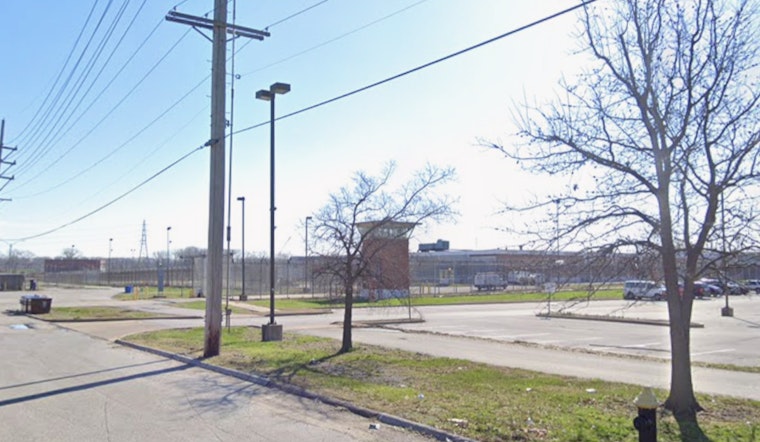
St. Louis is cutting a $4 million check to put an end to a long-running federal class-action lawsuit over conditions at the city’s notorious Medium Security Institution, better known as the Workhouse. The deal could send payments to thousands of people who spent time in the jail between 2012 and 2022 and effectively closes a bruising chapter of litigation, protests and political fallout. City officials signed off on the settlement while still insisting they did nothing wrong, and the agreement does not include any admission of liability.
ArchCity Defenders, the nonprofit law firm that led the case, says the settlement talks stretched on for years and that the proposed class includes at least 16,000 people. According to ArchCity Defenders, anyone jailed at the Workhouse for five or more days between November 13, 2012 and June 30, 2022 will be able to file a claim. The $4 million pot would then be split using a simple formula: payments are calculated pro rata based on how many days each person was locked up.
The lawsuit, along with extensive outside reporting, painted a grim picture of daily life inside the jail. The complaint described food contaminated by rats and insects, mold on walls, broken plumbing and sewage backing up, plus suffocating summer heat in the cells. As reported by The Associated Press, plaintiff Jasmine Borden summed it up starkly: “They treat dogs at the shelter better than they treated us.” Another named plaintiff recalled dorms where dozens of detainees were forced to share a single working toilet.
Who Could Get Paid And How Claims Will Work
The settlement still needs court approval, but preparations are already underway for the claims process. According to ArchCity Defenders, the organization has launched a central information page for the case so people can sign up for updates while the judge reviews the proposed deal. If the court signs off, a claims administrator will be brought in to run a formal notice and claims process. That office will send out notices, collect claim forms and ultimately calculate each payout based on the total number of days each class member spent in the Workhouse during the covered period.
A Long Legal Fight That Helped Close The Jail
The case started with a class-action complaint filed on November 13, 2017, according to the Civil Rights Litigation Clearinghouse. What followed was a marathon in federal court: years of discovery battles, fights over whether the case could proceed as a class action and multiple appeals, including a 2024 Eighth Circuit ruling that sent class certification questions back to the trial court for more work. That grinding litigation, combined with steady organizing and pressure from local reform groups, helped push city leaders to finally close the Workhouse in 2021. Demolition of the facility began in March 2025, as reported by St. Louis Public Radio.
City Response And Broader Takeaways
In the settlement paperwork, St. Louis officials continue to deny any constitutional violations and describe the agreement as a practical solution to end costly, drawn-out litigation without conceding fault. Local leaders and advocates who pushed for the jail’s closure say the $4 million figure is modest, especially spread across so many people, but still read it as a public acknowledgment of harm. The overwhelming majority of those detained at the Workhouse were poor and Black, and many argued they were treated worse than people living just outside the jail’s fences.
What Happens Next
Plaintiffs’ attorneys have asked the court to approve sending out formal notices so that everyone who might qualify has a chance to be heard. If the judge agrees, notices and claim forms will be mailed and posted with clear instructions on who is eligible, how to file and key deadlines. Advocates say that even with a relatively small fund compared to the number of people affected, the settlement process itself highlights ongoing demands for broader reforms to how St. Louis handles low-level pretrial detention.



