

























































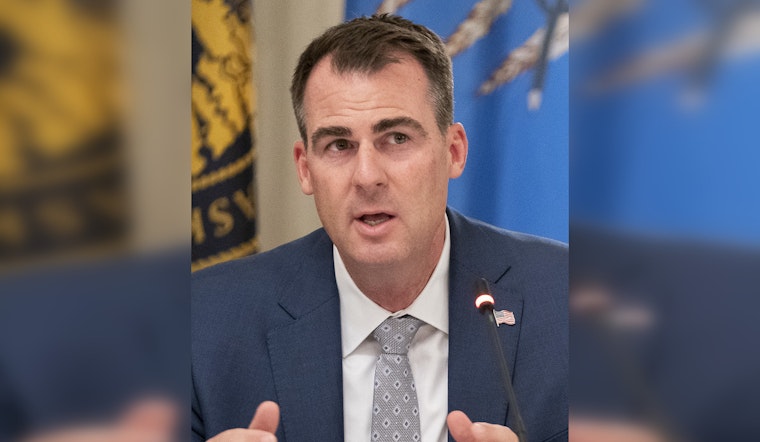
Oklahoma's top officials have moved to dismantle the state's long-running high school sports regulator, but the replacement plan on the table is thin. Gov. Kevin Stitt and lawmakers say the Oklahoma Secondary School Activities Association has become unaccountable, yet the draft legislation offers few details about how a state-run alternative would actually work in real life.
In his final State of the State address, Stitt argued that students who legally transfer schools were still being blocked from play and urged action to protect them. "Your ability to play sports shouldn't be contingent on your parent's ability to afford an attorney," he said, according to the governor's office.
The bill lawmakers filed
Within a day of the speech, Sen. Casey Murdock filed Senate Bill 1890 to abolish the OSSAA and create an Oklahoma Athletics and Activities Commission. The introduced text would give appointment power to the governor and legislative leaders and make the new commission subject to the state's Open Meeting and Open Records laws. Read the bill text from the Oklahoma Legislature, and note our earlier coverage of the filing in Murdock proposes bill.
Supporters frame the change as correcting an "unelected and unaccountable" system that has frustrated parents and coaches, with Sen. Murdock saying the OSSAA has lost sight of serving students. As reported by Fox23/KRMG, Murdock cited last year's eligibility disputes, including a lawsuit involving Glencoe players, as proof the current structure fails families. The OSSAA pushed back, calling itself a member-driven nonprofit governed by school-elected leaders and inviting further conversation.
But reporting by The Oklahoman highlights a gap between rhetoric and execution: while leaders are publicly calling for the OSSAA's elimination, available legislation and public statements provide little in the way of operational detail on budgeting, vendor contracts or how day-to-day eligibility decisions would be handled. That leaves athletic directors and district officials asking how playoffs, staffing and long-term contracts would be managed during a transition, and when, exactly, someone will produce an actual playbook.
Timeline and implementation issues
The bill sets initial appointments by August 1, 2026, requires an organizational meeting by September 1, 2026, and would have the new commission begin supervising activities in the 2027-28 school year. Those deadlines are plainly written into the introduced text on the Oklahoma Legislature website, but the legislation leaves the operational blueprint, staff transfers, vendor contracts and the handling of playoff logistics, largely unspecified, which school officials say could create disruption.
Legal and policy implications
Beyond governance, SB 1890 would repeal a statutory provision tied to transfer eligibility and reshape who has authority to write and enforce the rules. Policy trackers note the bill would place appointed members on the new commission and subject it to open-records requirements, changes supporters say increase transparency while critics warn they could politicize routine eligibility rulings; see the bill summary on LegiScan for details. Any move that upends decades of member-run operations will almost certainly invite legal challenges and a messy implementation period, legal experts warn.
SB 1890 is currently awaiting a hearing before the Senate Education Committee; no committee date has been set. Until lawmakers flesh out staffing, contract and budget details, many districts say they will watch hearings closely to see whether the move will help students or simply swap one set of gatekeepers for another, as Sports Illustrated and other outlets have reported.





