

























































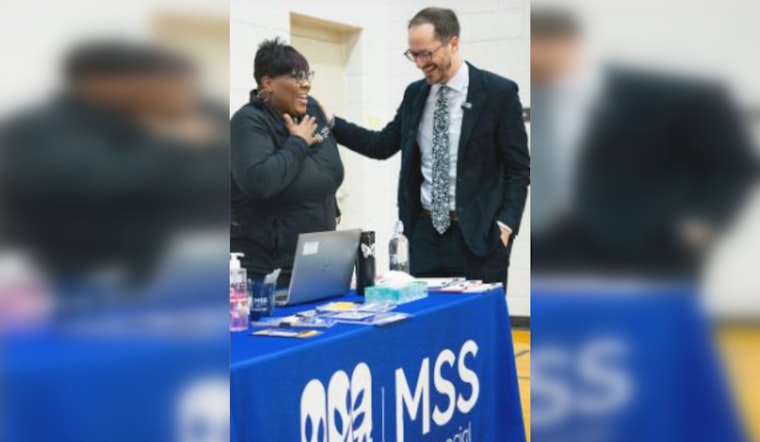
Nashville’s storm recovery is getting personal, with help coming straight into the neighborhood. Two disaster assistance centers, staffed by Metro agencies and nonprofit partners, are now set up to serve residents still piecing life back together after Winter Storm Fern. The idea is simple, if ambitious: walk in with a stack of problems, from utility bills to housing questions to mental health needs, and walk out with a clearer plan. Volunteers and city staff say neighborhood outreach, including free transit passes and on-the-ground pop-ups, has been key to connecting with residents who might otherwise slip through the cracks.
Disaster assistance centers in the neighborhood
Two neighborhood hubs are now operating at Hadley Park and Smith Springs, offering in-person guidance on recovery resources that can be tough to navigate alone, from hubNashville requests to insurance and employment questions. The centers are open weekdays from 9 a.m. to 6 p.m., and Saturdays from 9 a.m. to 3 p.m. Partner,s including hubNashville, Legal Aid, Metro Public Health, the American Red Cross, and WeGo are on site to help residents with forms, casework, and even animal-wellness services, according to a release from the Nashville Office of Emergency Management.
Numbers and services delivered
Metro Nashville reports in its Feb. 26 Facebook post that the two centers have already served more than 500 Nashvillians combined, 345 at Hadley Park and 185 at Smith Springs. Outreach tools like the Journey Pass have helped more than 200 people access those services. The Journey Pass program, run by Metro’s Office of Homeless Services with WeGo, loads free rides onto QuickTicket cards for qualifying riders so they can reach appointments and assistance without worrying about fare. City officials describe the neighborhood centers as part of the wider Restore Nashville recovery effort announced earlier this month, as reported by The Tennessean.
How to request help
Residents who still need support are being asked to submit requests through the Needs Tracker on the Nashville VOAD site, which coordinates local nonprofits and partner agencies to match needs with available services. Nashville VOAD notes that the Needs Tracker operates on a weekly schedule and urges residents not to send duplicate requests, since that can slow down response times. For people without internet access, partner agencies and Metro recommend calling 2-1-1 or reaching out to hubNashville for referrals, and many of those partners are stationed at the disaster assistance centers to help residents complete intake on site.
Why this matters
Winter Storm Fern knocked out power for a historic number of customers and left many households facing steep repair bills and higher utility costs. In response, the city created neighborhood relief hubs and launched a Winter Storm Recovery fund. Mayor Freddie O’Connell’s Restore Nashville plan included steps aimed at lowering recovery costs, such as utility-relief proposals and emergency housing assistance, according to The Tennessean. Officials say the mix of in-person centers, partner agencies, and transit outreach is designed to shorten the path from immediate crisis needs to longer-term recovery for residents hit hardest by the storm.
“I want every Nashvillian to know that support is available to you during this recovery,” Mayor Freddie O’Connell said in the city’s announcement. The Office of Emergency Management also notes that FEMA individual assistance is still under federal review, so the Disaster Assistance Centers are intended to provide immediate local support while those decisions are pending. Residents can find updated details on hours, partners, and services from the Nashville Office of Emergency Management or through the Nashville VOAD Needs Tracker page.





