

























































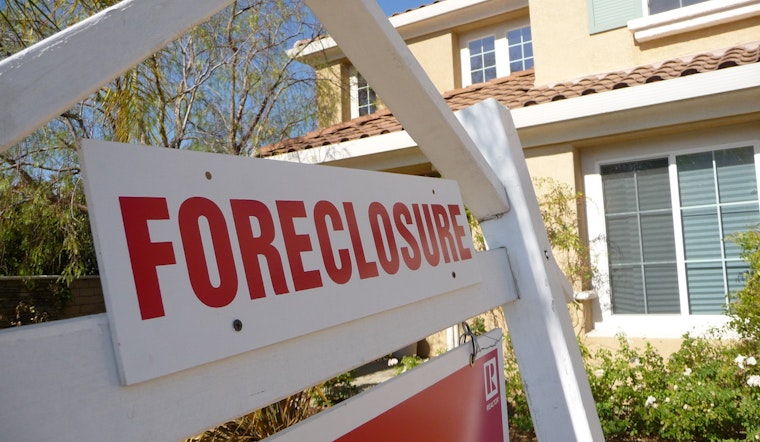
Retirement in Florida is starting to look a lot less like a postcard and a lot more like a past-due notice. Across the state, longtime homeowners, many of them seniors on fixed incomes, are being blindsided by surprise condo association bills, soaring insurance and property costs, and a sharp jump in foreclosure filings. Special assessments they cannot cover are turning into liens, and for some owners, those liens have already kicked off foreclosure proceedings. What used to be routine building maintenance has morphed into an urgent housing crisis for some of the state’s most vulnerable residents.
According to Realtor.com, which cites data from property analytics firm ATTOM, U.S. foreclosure filings climbed in 2025 to roughly 367,460. Florida posted the highest statewide rate in the country, with about 0.44% of residential properties receiving a foreclosure filing. That dubious honor put the Sunshine State at the top of the national list last year, even as experts point out that overall foreclosure volumes remain far below the worst days of the last major housing crisis.
The strain is not evenly spread. Metro data show the pressure clustering in a handful of markets. Reporting by WFTV singled out Tampa as a particularly hard-hit metro in late 2025 and flagged elevated filing rates in Orlando and Jacksonville as well. Local housing analysts interviewed in that coverage pointed to a mix of backlogged filings finally moving forward, softening condo prices in parts of the state, and rising carrying costs that together are fueling those regional spikes.
Why assessments are climbing
In the background is a structural shift in how Florida condos are regulated and financed. After the 2021 Surfside collapse, state lawmakers tightened inspection and reserve requirements for many condominium buildings. The Florida Department of Business and Professional Regulation explains the new Structural Integrity Reserve Study, often referred to as SIRS, and related milestone inspection rules, and notes that associations must begin funding the reserves that those studies recommend. For buildings that have long skimped on reserves, that shift can translate into sudden, hefty special assessments for unit owners.
Those one time bills are landing on top of sharply higher insurance premiums and rising property taxes, a combination that has pushed monthly housing costs to levels some owners say they never expected. Local coverage has tracked the fallout. A feature in the Biscayne Times detailed the case of a Miami condo owner who received a $27,000 special assessment and highlighted a Miami-Dade special assessment loan program that can provide up to $50,000 for qualifying owners. The paper reported that the program was briefly paused after demand overshot the available funds.
Seniors say they are getting nailed
For older residents who bought into Florida’s condo lifestyle decades ago, the new math can feel brutal. Seniors interviewed on camera in local coverage said they are literally weighing groceries against paying their assessments, and that liens and foreclosure notices have already started appearing in some buildings. A video piece from CBS Miami profiles several older owners who say the mix of steep special assessments and rising monthly fees has put homes they thought they would age in at real risk.
Legal implications for owners
Once an owner falls behind, the legal machinery can move faster than many realize. An analysis by The Florida Bar notes that unpaid assessments can be recorded as liens and, if they remain unresolved after the required notices, can lead to foreclosure under Florida law. In practical terms, that means a missed or ignored assessment bill can escalate into a serious claim that threatens a homeowner’s equity unless the debt is cured or the owner works out some sort of deal with the association.
Where owners can turn
Owners who see trouble coming are being urged to act early rather than wait for the next certified letter. Homeowners who are struggling are advised to contact their county housing office, ask their association about payment plans or alternatives, and consider reaching out to legal aid organizations that handle lien and foreclosure defense. The Florida DBPR condo FAQ page lays out SIRS timelines and owner rights in plain language, and local reporting points to county level loan programs as one potential, if limited, source of relief for qualifying seniors. Those programs come with a catch that is becoming familiar in Florida’s condo crisis, funds and staffing to process applications can be stretched thin just as need spikes.




