

























































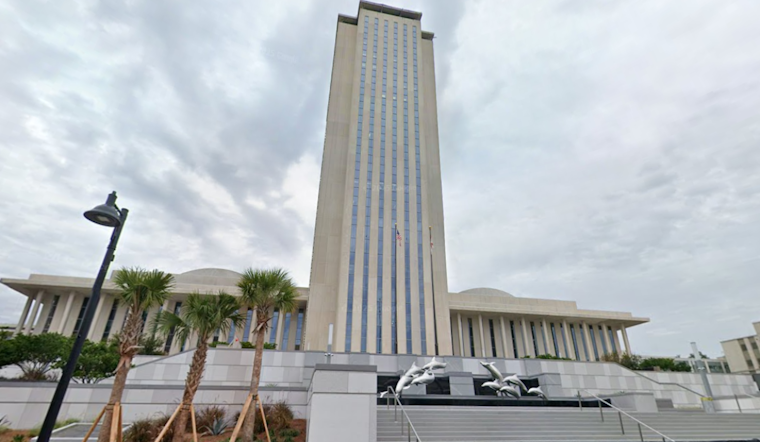
Tallahassee lawmakers are racing ahead with a sweeping rewrite of Florida’s bail laws, and charitable bail groups say they could be collateral damage. A pair of bills, HB 1017 in the House and SB 600 in the Senate, would change how cash bail posted by nonprofits is handled. Supporters call it basic oversight and bookkeeping; critics say it is a quiet way to gut charitable bail funds and leave more people sitting in jail while they wait for trial, with taxpayers footing the bill.
What the bills would change
The committee substitute for HB 1017 would require that any deposit made by a charitable bail fund be receipted in the defendant’s name instead of the nonprofit’s. That means when bail is refunded, the money would go back to the accused, not the organization that put up the cash. The shift is tucked into revisions to section 903.16 and related statutory language in the committee substitute, as shown in the bill text on the Florida Senate site.
Supporters say it clarifies donations
House sponsor Rep. Jessica Baker has argued that the change is about drawing a clear line between charitable donations and money put up for bail, not about banning nonprofits from posting bond altogether. "The main purpose of a charity is to donate items, to donate money, to donate time," Baker told reporters, according to ClickOrlando. Backers also contend the package would standardize bail procedures statewide and tighten rules for for-profit bail agents.
Charitable groups say the bills would shut them down
Nonprofits that post bail say that on paper, this looks like a minor paperwork tweak, but in practice, it would stop them from getting refunded and reusing the same pool of money to help the next person. Without the ability to recycle funds, many programs say they would run dry fast. "I have not heard of a provision like this anywhere else in the country," Erin George, national director of The Bail Project, said in describing the committee language, as reported by ClickOrlando. Groups warn that some local charitable bail operations could be forced to scale back or close entirely, as the Florida Phoenix detailed.
Numbers lawmakers and advocates are trading
The Bail Project reports that its Florida sites in Jacksonville, Orlando, and Pensacola, launched in 2021, have posted bail for roughly 2,348 people, with a 91 percent court-appearance rate. The group says its work has prevented tens of thousands of days behind bars and estimates that those releases have saved Florida taxpayers more than 11 million dollars, figures cited in local reporting by ClickOrlando. Nonprofits argue that if their funds dry up, those spared jail days could quickly turn into extra time in county lockups.
Who is backing the change and where it stands
The proposal has attracted support from the Florida Bail Agents Association, the Florida Sheriffs Association, and the state prosecutors' group, which told lawmakers the legislation would put guardrails around who is allowed to bail people out. Both bills have cleared key committee votes and are now positioned for floor action. HB 1017 was placed on the House second-reading calendar on Feb. 11, and the Senate substitute for SB 600 has moved through criminal-justice and appropriations panels. The official actions and full text are available on the Florida Senate page for HB 1017 and the Florida Senate page for SB 600.
Local advocates and county officials warn that this seemingly technical fix would shrink or wipe out a low-cost alternative to commercial bail, swell pretrial jail populations, and shift more costs to taxpayers when defendants remain locked up longer. That pushback has already surfaced in committee hearings and local reporting, according to Florida Phoenix. With the language still open to amendment on the House and Senate floors and in any conference talks, nonprofits and county leaders say they are not done yet and will keep pressing for changes before any bill lands on the governor’s desk.





