

























































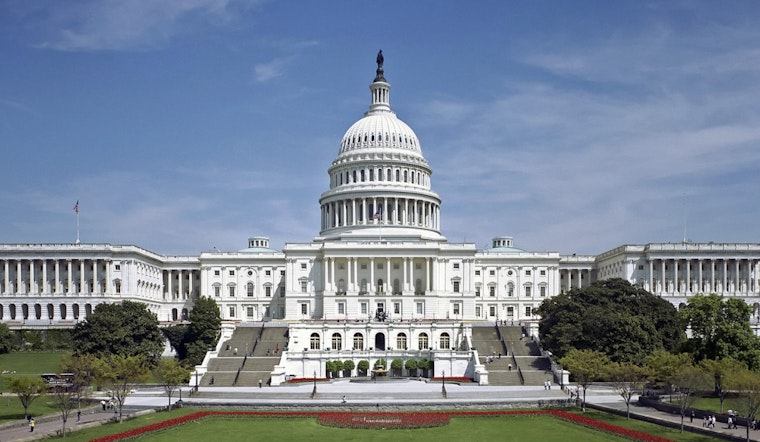
Congress has extended the National Flood Insurance Program through Sept. 30, 2026, but state officials and real estate groups warn the short-term fix still leaves coastal homeowners and mortgage markets vulnerable. While the extension provides temporary relief, years of stop-and-go renewals and last year’s multi-month lapse continue to pressure lawmakers for a lasting solution.
What Congress just did
According to Congress.gov, H.R. 5577, the NFIP Extension Act of 2026, reauthorized the program's authority to underwrite and renew policies through Sept. 30, 2026. That restores the agency's legal authority for now but does not change how it sets rates, updates maps, or manages the program's long-term finances.
How big the program is
The NFIP is a heavyweight in the insurance world. A Congressional Research Service analysis shows it supports roughly 4.6 million policies and underwrites about $1.3 trillion in coverage nationwide. With that much on the line, even a temporary lapse can ripple through mortgage closings, insurance markets, and coastal cleanup work.
North Carolina pushes for pre-collapse payouts
Back in Raleigh, Gov. Josh Stein and Insurance Commissioner Mike Causey are urging Congress to move beyond extensions and pass H.R. 3161, a bipartisan bill that would allow limited NFIP "pre-collapse" payments so homeowners can demolish or relocate condemned oceanfront houses before they fall into the sea. “When these houses collapse, it isn’t just a tragedy for the homeowners,” the pair wrote in a joint letter to the House Financial Services Committee, calling the measure a way to reduce debris, environmental hazards, and cleanup costs. According to the Governor's Office, the state is ready to work with federal partners to advance the bill.
Why short-term extensions still bite
Short reauthorizations come with real-world fallout. The Congressional Research Service notes that the NFIP's authority lapsed for 43 days during last year’s shutdown, a period when FEMA could not issue new policies or accept renewals, snarling closings and feeding market uncertainty. Industry estimates tied to that disruption suggest a lapse can put roughly 1,300 home sale closings a day, more than 40,000 a month, at risk where federally required flood coverage is part of the mortgage process.
Outer Banks losses give the debate urgency
For barrier-island communities, the policy fight is not theoretical. Incident logs from the National Park Service and state officials report that dozens of privately owned oceanfront houses have already tumbled into the Atlantic. The seashore counted 27 collapses since 2020, and many of those failures occurred in the past year, leaving hazardous debris fields and heavy cleanup costs around Buxton and Rodanthe. State and park officials say advance payouts for demolition or relocation could reduce those risks and shrink taxpayer cleanup bills.
What advocates and markets want
Real-estate groups including the National Association of Realtors and lender coalitions are pressing for a longer, reform-minded reauthorization that pairs funding and mapping upgrades with protections for homeowners and taxpayers, as reported by Inman. Lawmakers in both parties have floated bills to extend or overhaul the NFIP, but a durable political path has yet to emerge.
What to watch next
The temporary extension runs out on Sept. 30, 2026, and without broader reform key NFIP authorities for issuing new contracts and borrowing from the Treasury could be curtailed. That would immediately affect buyers, sellers, and flood-prone communities. For coastal states already counting lost houses, the choice facing Congress is stark: shore up the insurance backbone or accept more collapse, more debris, and more stalled real-estate deals down the line.




