

























































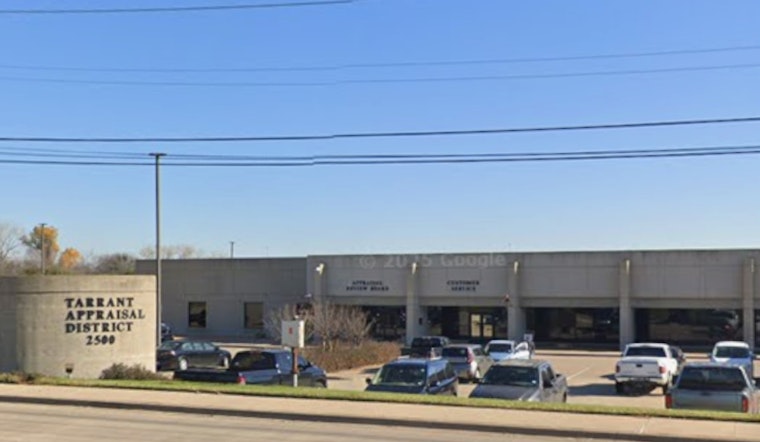
The fight over how much Tarrant County homes are really worth is heading back to center stage, as the Tarrant Appraisal District board prepares to reopen debate on its controversial reappraisal plan at an upcoming public meeting. The move puts school funding, local budgets and property-tax politics back in play, after months of loud objections from superintendents and elected officials who warn the policy could drain districts of millions in state aid.
According to the Fort Worth Star-Telegram, board members Eric Crile and Wendy Burgess asked that the reappraisal plan return to the agenda. Crile told the paper his goal was "to follow through on what the 2024 board said they would do." The Star-Telegram reports the discussion will land on the board's regular-session agenda, where members could opt to amend or roll back portions of the policy.
What the plan does
The plan TAD approved last year freezes residential market values at 2024 levels, sets a 5% threshold for typical increases, and shifts most residential properties to a two-year appraisal cycle, so many homeowners would not see a new market value until 2027. As outlined by the Fort Worth Report, supporters pitched the changes as relief for owners walloped by rapid valuation spikes, while critics warned the pause could widen the gap between local numbers and state estimates that help determine school funding.
Why school districts are alarmed
Several school systems - including Azle, Castleberry, Everman, Fort Worth, Kennedale and Northwest ISDs - have passed formal resolutions asking TAD to reappraise properties within their boundaries, arguing that a prolonged freeze could trigger state funding penalties. Reporting from the Fort Worth Report notes that Fort Worth ISD officials warned the district alone could lose an estimated $26 million to $51 million, a hit trustees say would mean cuts to staff and programs.
Legal questions
The pushback has attracted attention at the Capitol too. State Rep. Chris Turner has filed a bill that would require annual appraisals statewide, a change that could render TAD's every-other-year approach illegal if it becomes law. As reported by KERA, legal analysts say the Texas tax code requirement for annual market value is already a potential point of conflict with any multiyear appraisal schedule.
What to watch at the meeting
The board meets at 9 a.m. in the appraisal district's boardroom and posts agendas at least 72 hours beforehand. Meetings are livestreamed for people who prefer to watch from home, according to the district's public schedule. If reappraisal changes show up on the consent calendar or as a stand-alone action item, board members will have the option to tweak the freeze, adjust the 5% threshold or simply leave the policy in place.
Homeowner takeaway
Tax pros say homeowners should not assume a value freeze means they can ignore their appraisal notices. Those with homestead exemptions can still see changes to taxable values and may benefit from filing protests if they catch errors or disagree with how new construction is treated. CBS Texas notes that appeal and protest deadlines are critical, and anyone uneasy about their notice should review the appraisal district's guidance or talk with a property-tax professional.





