

























































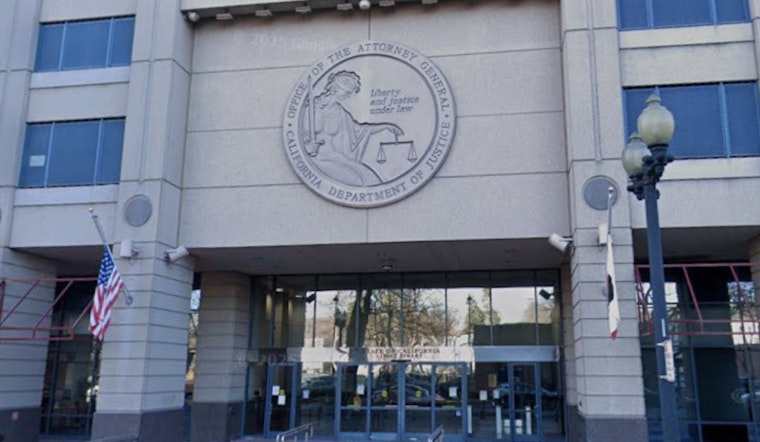
A federal judge in Texas has given ExxonMobil the green light to press a defamation case against California Attorney General Rob Bonta personally, ruling that several of Bonta’s public comments are not shielded by official immunity. U.S. District Judge Michael J. Truncale narrowed the lawsuit to Bonta in his individual capacity and cut loose several environmental groups, setting up a rare showdown between California’s top law-enforcement officer and one of the country’s biggest energy companies over how to talk about plastic recycling.
What the judge said
In a 46-page memorandum opinion, Truncale found specific personal jurisdiction over three of Bonta’s remarks and refused to dismiss the case on immunity grounds. He focused in particular on a campaign email Bonta sent to Texas residents that included a fundraising link.
Here, the contribution request betrays the email's true nature: a campaign promotion. Campaigning is not within Bonta's scope of employment, the court wrote, according to the order posted on Justia. The opinion flags the specific comments that could later be tested as potentially defamatory if the case moves forward.
Background: Two suits collide
Bonta sued ExxonMobil in September 2024, accusing the company of running a decades-long campaign to mislead consumers about plastics recycling. The complaint from the California Department of Justice alleges that less than 5% of plastic is recycled into another plastic product and seeks penalties and abatement to rein in what the state describes as deceptive marketing about recyclability.
Exxon’s countersuit
Exxon responded by filing its own lawsuit in the Eastern District of Texas in January 2025, arguing that Bonta and allied organizations disparaged its advanced-recycling business and damaged both existing and potential contracts. The company said the campaign of lies designed to derail our advanced recycling business must stop, according to AP News.
Court narrows the fight
Truncale dismissed Exxon's claims against the Sierra Club, Surfrider, Heal the Bay and Baykeeper, finding a lack of personal jurisdiction over those nonprofit groups. At the same time, he allowed several Texas municipalities to intervene, concluding that the challenged remarks touched on local recycling and contract arrangements.
The memorandum instructs the clerk to remove the nonprofit defendants from the case and to accept intervention complaints from the cities, according to the opinion on Justia.
What’s next
California’s office has appealed the immunity ruling, Bloomberg Law reports. Truncale also made clear that whether Bonta acted in good faith when he made the statements at issue is a factual question for later in the case, according to AP News. That means the litigation is headed toward discovery and more targeted briefing on what was said, when it was said, and what damage Exxon claims it suffered.
Why it matters locally
The ruling keeps California’s policy case and Texas’s industrial interests running on intersecting tracks. Exxon has tied the alleged harm to municipal contracts and Gulf Coast recycling projects, putting local deals squarely in the crosshairs of the speech fight.
Advanced or "chemical" recycling, which Exxon says can turn hard-to-reuse plastics back into feedstocks instead of relying on mechanical sorting, remains a flashpoint between regulators and environmental groups over its real-world effectiveness and environmental tradeoffs, according to S&P Global.
For now, the case moves ahead against Bonta personally while the nonprofit defendants exit. The fight is likely to center again and again on the record: who said what, to whom, and whether those words actually cost Exxon contracts or simply amounted to political speech that the company does not like.



