

























































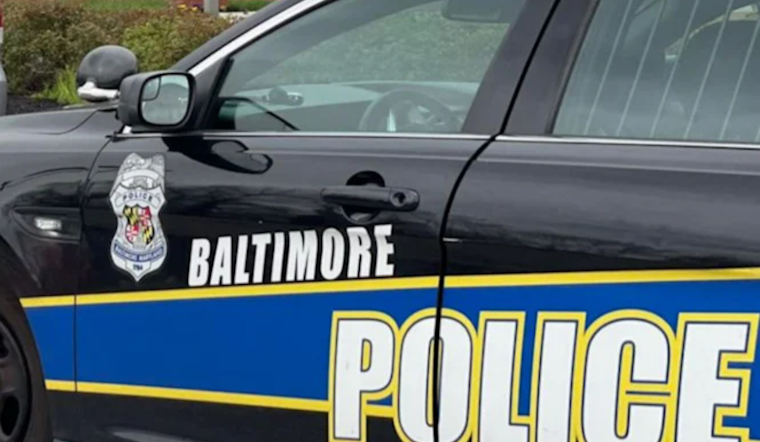
Scam artists are blasting Baltimore residents with bogus toll text messages that look like urgent court business, complete with fake QR codes and threats of bench warrants. The phony alerts, sent out Thursday, tell drivers they owe money for toll violations and must show up in district court, styling themselves as official “Maryland Court Summons” notices. State court officials say the messages are flat-out fraudulent and are urging people not to tap links, scan codes, or share any personal information. If you suspect you actually owe a toll, they say to sign in to your real account instead of trusting a random text.
SCAM ALERT from @MDJudiciary 👇 https://t.co/Yl6ksqFJFi
— Baltimore Police (@BaltimorePolice) February 26, 2026
Maryland Judiciary Issues Official Warning
In a formal warning, the Maryland Judiciary explained that the scam texts direct recipients to report to multiple Baltimore City District Court locations, including Wabash, Hargrove, Hubbard, Eastside, and the old Civil Courthouse, at 9 a.m. the next day, even though none of it is real. According to the Maryland Judiciary, the messages use fictitious QR codes, dates, and court locations while falsely claiming unpaid tolls. The courts stress they do not send text messages asking for payment or personal information.
Baltimore Police Echo The Alert
The Baltimore Police Department quickly boosted the warning on X, reposting the judiciary’s alert and labeling the messages a scam. In its post, Baltimore Police urged anyone who gets the text to ignore it and confirm any supposed court business only through official channels.
How the scam works
Fraudsters are using "smishing" texts that mimic government and toll collection notices, pushing people to follow a link or scan a QR code so they can capture payments or login credentials on spoofed websites. The Maryland Transportation Authority has warned that it does not send unsolicited text messages demanding toll payments and directs drivers to the official DriveEzMD website and customer service number to review legitimate accounts. Scammers often keep the supposed fees relatively small and attach tight deadlines to turn that pressure into quick, unquestioned payments.
What to do if you get the message
If one of these texts lands on your phone, do not click any links, do not call any numbers listed in the message, and do not hand over payment or personal details. Victims and targets are urged to file a complaint with the FBI’s Internet Crime Complaint Center. For any court-related questions, use the contact information provided by the Maryland Judiciary, including the Attorney General Consumer Protection Division hotline at 410-528-8662 or 888-743-0023. If you already sent money or shared sensitive data, officials advise contacting your bank, changing passwords, and watching your accounts closely for unauthorized activity.
Why this keeps surfacing
Federal authorities have tracked a surge in smishing campaigns that impersonate toll and government services since 2024, and the FBI has warned about copycat schemes built to harvest payment information and online credentials. The setup is effective because many city residents legitimately receive toll or parking notices, and scammers exploit that familiarity to rush people into paying without checking. Reporting these incidents to law enforcement helps investigators identify fraudulent domains and shut down the malicious sites behind them.
Fake parking ticket texts were flagged earlier this month, a sign that the schemes are shifting tactics rather than going away. Local officials say staying skeptical and independently verifying any surprise notice remains the strongest defense.





