

























































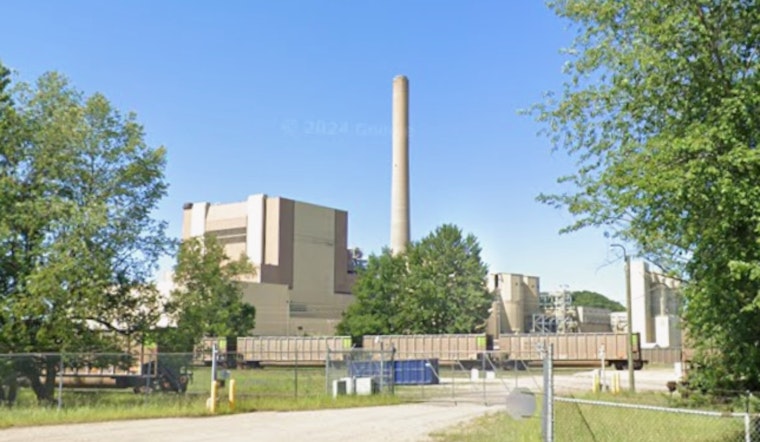
The federal government’s decision to keep the J.H. Campbell coal complex running past its planned retirement date has saddled Michigan ratepayers with fresh costs, rattled neighbors worried about air quality, and reopened a national fight over whether propping up coal makes any economic or public‑health sense. What was pitched as a short emergency fix has turned into a long stretch of extensions, lawsuits, and policy pivots that now reach well beyond West Olive’s slice of Lake Michigan shoreline.
As reported by Bloomberg, the Trump administration has leaned on rarely used emergency powers to keep aging coal units available and to steer federal dollars and contracts their way. Administration officials insist the moves are about shoring up grid reliability amid surging power demand; critics say it looks more like coal politics, with a hefty price tag attached.
The J.H. Campbell Generating Complex, a lakeshore cluster of coal units in West Olive that had been scheduled to close on May 31, 2025, has instead been kept online through a series of Energy Department orders that stretched into February, according to the Associated Press. Federal officials argue the plant helps prevent capacity shortfalls in the central United States, while state regulators and environmental groups have taken that claim to court.
How Much Is It Costing?
Keeping Campbell humming is not cheap. The Washington Post reports that it is costing roughly $615,000 a day to keep the plant online, citing industry filings. Energy analysts warn that forcing more retiring coal plants to keep running would push mounting losses onto customers and taxpayers, a strategy that could ultimately add billions of dollars to annual electric bills.
Community And Health Concerns
Residents who had been counting down to Campbell’s retirement say the extended run has brought back smoggy days and renewed fears about asthma and other respiratory problems along the lakeshore. Local reporting in The Guardian captured neighbors describing worsening lung issues and nuisance pollution they blame squarely on the coal plant’s continued operation.
Legal Fight
Michigan Attorney General Nessel’s challenge over coal emergency orders has now been expanded, with her office amending a multi‑state complaint to add the Interior Department, according to Hoodline. A coalition of about 15 state attorneys general has already sued to overturn the administration’s “energy emergency” declaration, arguing the orders exceed federal authority and unfairly dump the costs on consumers, the Associated Press reports.
Federal Rationale
The administration defends the package as a reliability play and has paired the emergency orders with new industry support, including an approximately $625 million Department of Energy program to retrofit and recommission coal plants, as reported by the New York Times. The White House has also directed the Pentagon to favor coal in certain long‑term contracts, a move that could channel additional federal spending into the same program.
What To Watch Next
In the coming weeks, a flurry of court rulings and fresh filings will determine whether Campbell’s extended run stays a one‑off or becomes a template for wider federal intervention in the grid. Energy analysts warn that if political efforts to prop up coal keep overriding market signals to retire expensive plants, Michigan and other states could be in for a long haul of higher power bills and painful public‑health trade‑offs.




