

























































Two Tulsa sisters say their apartment went from home to health hazard after months of leaks, a collapsing bathroom ceiling and what they believe was mold spreading inside the unit. Abigail and Grace Rappe said they repeatedly found soaked towels, standing water and drywall peeling away until part of the shower ceiling finally gave out. They also reported indoor temperatures sinking into the 50s and 60s, with snow actually piling up inside during a winter storm. A do-it-yourself test the sisters tried produced a dark residue they suspect was mold.
In its investigation, FOX23 reports the women moved out after one sister developed chest pain and a persistent cough, and later told the station her symptoms improved once she left the unit. According to the station, the bathroom ceiling had peeled and then collapsed, leaving a hole in the shower, and the Rappes had already sent written repair requests before they decided to terminate their lease.
What Oklahoma law requires
Oklahoma’s Residential Landlord and Tenant Act obligates landlords to keep plumbing, heating, ventilation and other facilities in safe, working condition, according to the Oklahoma Statutes. The law also requires landlords in most multiunit buildings to provide running water, hot water and reasonable heat. When an essential service is withheld or not fixed within a reasonable time, tenants have legal remedies that can include ending a lease, seeking damages or, in some situations, securing substitute housing.
Document problems and follow the paperwork
Housing advocates and Legal Aid recommend that renters document leaks, suspected mold and other hazards with dated photos or video, then submit written repair requests in person or by certified mail and keep copies of everything. Legal Aid Services of Oklahoma notes that tenants have statutory options if a landlord fails to provide essential services and highlights a Tulsa Right to Counsel program that can assist eligible renters. Advocates also urge tenants to regularly search the Oklahoma State Courts Network for any cases filed under their name, since court notices can be posted on doors and renters sometimes never see them.
Eviction timelines move fast in Oklahoma
Experts warn that Oklahoma’s eviction cases move quickly, with judges in busy counties sometimes setting hearings within days. That pace, combined with missed notices, often leads to default judgments against tenants who are not in court when their case is called. The rapid timelines and heavy eviction caseloads are a recurring concern for Legal Aid attorneys, as reported by Oklahoma Watch. Renters dealing with serious habitability problems are encouraged to seek legal help early so they are not blindsided by a fast-moving court date.
Local resources and next steps
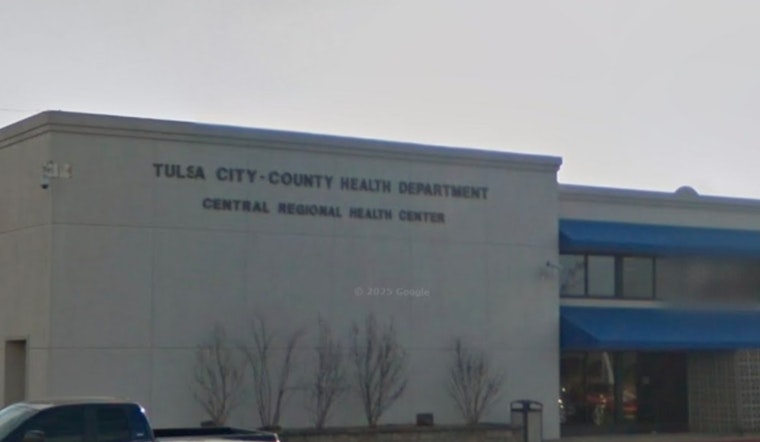
If you suspect mold or a chronic leak, the Tulsa Health Department advises reporting the moisture source so inspectors can focus on the leaks and underlying hazards, not just surface mold. Local nonprofits such as Housing Solutions Tulsa and Legal Aid operate hotlines and maintain resource pages to help renters gather evidence and, when appropriate, obtain representation. Tenants are urged to keep records of repair requests, medical visits and any costs tied to temporary housing or do-it-yourself fixes, since that paper trail can be important in court or when seeking damages.
The Rappe sisters have now relocated, and one of them says she is feeling much better since leaving the apartment. The complex had not responded to its requests for comment at the time of its story.





