

























































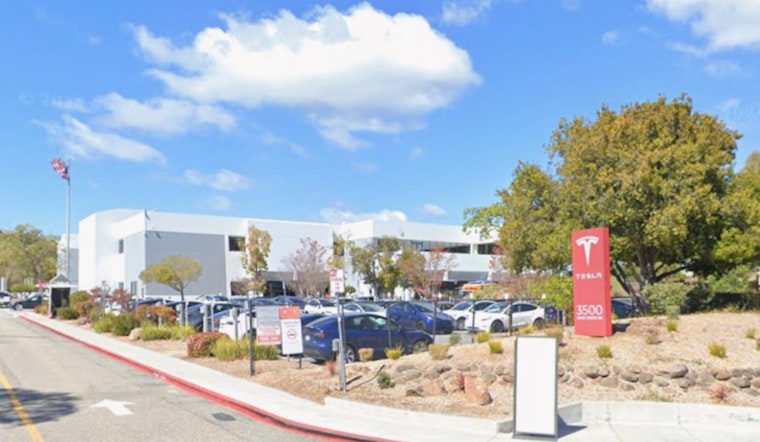
Back-to-back battery fires inside Tesla's Palo Alto engineering campus in Stanford Research Park forced evacuations and temporarily shut down parts of its labs, after experimental lithium-ion cells allegedly went sideways during in-house testing, according to inspection records and local reports.
Fire crews first rolled out on Dec. 10, 2025, when heavy smoke filled a lab area and the incident was bumped up to a second alarm as firefighters worked to clear the building, according to The Almanac. The outlet reported that no one was hurt and most units were released later that night.
Inspectors Blame Thermal Runaway
City inspection documents cited by Palo Alto Online link both the Dec. 10, 2025, and Jan. 11 incidents to thermal runaway in experimental lithium-ion cells being tested in fume hoods and chambers.
Inspectors described the Jan. 11 event as involving fragmentation of cells inside a test chamber and a ruptured coolant line that spread smoke and triggered sprinklers. Crews cleared the building while they secured the site, according to the inspection records.
Battery Safety Concerns And A Wider Recall
The lab mishaps landed as scrutiny of lithium-ion systems was already heating up. In November 2025, the U.S. Consumer Product Safety Commission recalled about 10,500 Tesla Powerwall 2 units nationwide for fire and burn hazards, the CPSC said. That recall followed reports of overheating, smoking and several fires, highlighting the risks regulators have flagged with certain lithium-ion cells.
City Orders Cleanup And Closure Permit
City and fire inspectors required a hazardous-materials closure permit and environmental cleanup before experiments could restart, and records show the lab stayed under restrictions during remediation, according to Palo Alto Online.
Inspection notes put damage from the Dec. 10 blaze at about $100,000 and the Jan. 11 incident at about $10,000. Officials also documented standing water and energized equipment that had to be made safe in the aftermath.
What To Watch Next
Investigators and local regulators are expected to keep a close eye on follow-up filings, new permits and any changes to testing protocols before Tesla resumes full experimental work at the site. For now, the twin fires have sharpened local focus on how risky battery research is managed inside commercial labs and how closely regulators track the hazards that come with lithium-ion cells.





