

























































The State Department has ordered nonessential U.S. diplomats and eligible family members to leave Lebanon, trimming the American presence in Beirut while a smaller core group stays behind to keep the embassy running. Officials are calling it a temporary, precautionary move in response to sharply rising regional tensions tied to Iran. The embassy remains open, but with fewer hands on deck.
What the State Department Said
According to the Associated Press, a U.S. official said a continuous assessment of the regional security picture made the departure "prudent" and stressed that the embassy is staying open during the drawdown. The official spoke on condition of anonymity because the decision had not yet been formally announced. A second official told the outlet that Secretary of State Marco Rubio may delay a planned trip to Israel this weekend.
Reports From Beirut
On the ground in Lebanon, local media showed the changes unfolding in real time. Lebanese broadcasters and other outlets reported that a number of U.S. Embassy employees left Beirut by air as a precaution. Kataeb reported that LBCI aired footage of embassy personnel departing through Beirut–Rafik Hariri International Airport while the mission prepared to operate with reduced staff.
Travel Advisory and Consular Capacity
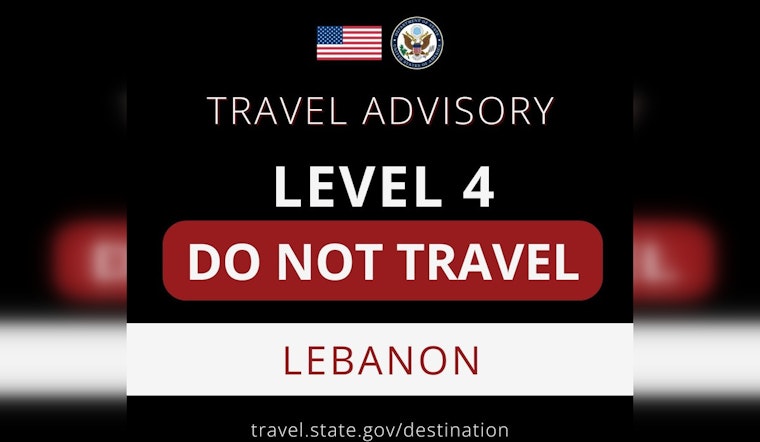
The U.S. travel advisory for Lebanon remains at Level 4: Do Not Travel, and consular capacity in the country is limited, according to travel.state.gov. The same page lists contact information for the U.S. Embassy, notes that commercial flights to Beirut are operating at reduced capacity, and urges Americans in Lebanon to enroll in the Smart Traveler Enrollment Program (STEP) to receive emergency updates.
Diplomatic Ripple Effects
Analysts say the drawdown is designed to lower risk to U.S. personnel while still preserving a political presence in Lebanon, although it could make diplomacy and consular assistance trickier if tensions escalate further. The Associated Press linked the move to rising friction with Iran and reported that Washington may make additional adjustments if the threat environment worsens.
Americans with family, business, or travel ties to Lebanon are being urged to keep a close eye on official State Department and embassy channels and to be ready for rapid changes. Officials are expected to publish formal guidance if conditions shift further, so checking embassy and State Department pages regularly for updates is strongly advised.





