

























































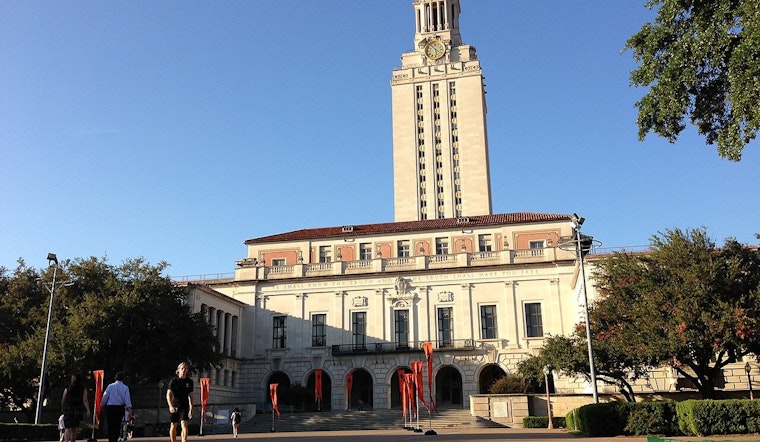
At the University of Texas at Austin, two Greek chapters are stepping out of the social calendar and into a high-stakes legal fight over the Texas Dream Act. Eta Alpha of Sigma Lambda Beta and the Xi chapter of Sigma Lambda Gamma have joined a coalition brief that argues ending the decades-old in-state tuition policy will push classmates out of school. Their move comes as hundreds of students face abrupt reclassification and sharply higher bills this fall.
As outlined by IDRA, the chapters signed onto a wide amicus filing to the U.S. Court of Appeals for the Fifth Circuit that unites student groups, educators, and businesses in defense of tuition equity. The amicus brief itself, available in the public record, lists campus groups including Eta Alpha of Sigma Lambda Beta and the Xi chapter of Sigma Lambda Gamma. The filing is viewable on Scribd.
The legal chaos started on June 4, 2025, when the U.S. Department of Justice sued Texas and a federal judge issued an injunction blockingthe application of the Dream Act to people who are not “lawfully present,” according to AP. Critics have further alleged that the DOJ and the Texas attorney general coordinated the rapid court action. NBC News reported audio that raised questions about how quickly the case moved through the court.
At UT, the ruling has forced administrators to ask students for proof of lawful presence and to recalculate residency status. The Austin American-Statesman reported that the university sent an email this summer to about 952 students asking for documentation and described students facing dramatic tuition spikes. One student told the paper they were roughly $17,000 short after two weeks and ultimately withdrew. Campus advocates say the sudden paperwork and financial cliff have left many in limbo while appeals move through the courts.
How Many Students Are at Risk
Advocates say the fallout is statewide. The Presidents’ Alliance estimates that roughly 57,000 students in Texas could be affected, according to Texas Standard. The Texas Higher Education Coordinating Board has directed schools to identify students who may no longer qualify for in-state rates, The Texas Tribune reported. The uncertainty has triggered lawsuits, policy memos and frantic appeals to campus administrators as the fall semester approaches.
How Students and Campus Groups Are Responding
Student groups on campus are trying to plug the gap with money and advocacy. A collective called Rooted launched a fund that has raised more than $12,000 to help undocumented peers with tuition and basic needs, according to The Daily Texan. Fraternal leaders say they hope the legal filing, paired with on-the-ground support, will blunt immediate harm. That push by a UT Latino fraternity was profiled in the Houston Chronicle.
What Is at Stake Legally
The Fifth Circuit will weigh the amicus filings and the several appeals now underway, and its ruling will determine whether the 24-year-old law can be restored, legal analysts say. The procedural oddities of the initial injunction, along with competing motions to intervene filed by colleges and advocacy groups, underscore both the legal and administrative challenges at play, as AP and the coalition filings show. If the appeals court affirms the injunction, many students could face permanent out-of-state bills. If it reverses, institutions could return to the previous residency rules for those who meet the lawful presence standard.
For students caught between courtrooms and tuition bills, the chapters’ legal sign-on is both a political tactic and a statement of solidarity. Campus groups say the burden to defend classmates has largely fallen to them. The Fifth Circuit’s timetable remains unclear, but Greek chapters, student nonprofits, and attorneys say they plan to keep pushing in court and on the ground to protect access to affordable college in Texas.





