

























































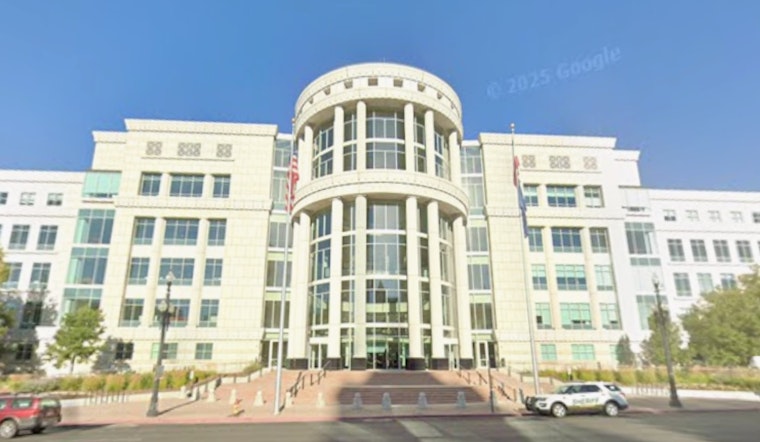
The Utah Supreme Court has cleared The Church of Jesus Christ of Latter-day Saints to keep building the Heber Valley Temple while a neighbor's lawsuit winds through the courts, essentially telling the church it can move forward if it is willing to gamble on the outcome. The justices did not rule on the core land-use dispute but said construction can continue as long as the church accepts the risk that it may later have to restore the property to its previous state. That means the long-running friction over water, lighting, and neighborhood impacts is still very much alive even as crews stay on the job.
In an opinion issued Thursday, the court said construction may proceed as long as the church accepts responsibility for "restoring the site to its prior condition" if it ultimately loses, according to The Salt Lake Tribune. The justices were focused on whether a temporary injunction blocking work should remain in place, not on whether the county's approval was valid. Both the plaintiffs and Wasatch County will have more chances to argue their positions as the appeal continues.
Background: Neighbors' Suit And County Approval
The legal battle began in November 2023, when four residents - Bruce Van Dusen, Bruce Quade, Shawn Savarinos, and Dominic Savarinos - sued Wasatch County after it approved a legislative development agreement for the temple near 1400 E. Center Street. The neighbors argue the two-spire, three-story, roughly 88,000-square-foot building would damage their health, privacy, views, and the area's prized dark skies. As reported by Deseret News, the county and the church counter that the project was approved in line with land-use law and that it already includes concessions on lighting and landscaping.
What The Court Said
The high court concluded that the petitioners "have not identified what irreparable harm the construction would cause," a key requirement for keeping work on hold, according to The Salt Lake Tribune. By denying the stay, the justices allowed grading and infrastructure work to move forward while the broader appeal plays out. The immediate construction schedule is preserved, but the court left the door open to corrective remedies if the neighbors eventually prevail.
On The Ground: Water, Lights And Bonds
During oral arguments, opponents warned that site work could require large-scale dewatering and potentially affect nearby waterways. The church responded that prolonged delays would be costly and suggested posting a bond to guard against future losses. Deseret News reported that engineers estimated early construction pumping could reach roughly 1 million gallons and that the church said it would shoulder restoration responsibilities if ordered to do so. County officials have highlighted planned road upgrades, added landscaping, and dark-sky-compliant lighting as benefits the project would bring to the area.
What Happens Next
The underlying appeal remains in the hands of the Utah Supreme Court. The parties will submit written briefs, and the justices may eventually issue a final ruling on the injunction question, send parts of the case back to the trial court, or direct some other next step. Local reporting notes that the church has already started limited site work in recent months and that neighbors intend to keep pressing their legal challenges, according to KPCW. The process is likely to stretch on as courts untangle both procedural and substantive issues.
Legal Implications
The order deals strictly with injunctive relief, meaning whether work should be paused right now, not the final question of whether the county's development approval was lawful. If the petitioners win on the merits, potential remedies include fixing any procedural defects, requiring restoration of disturbed areas, or other corrective measures the courts find appropriate. For the moment, construction continues under a legal cloud, with restoration costs and environmental worries still central to the fight.
For residents in Heber Valley, the ruling lands somewhere in the middle. Work continues at the 1400 E. Center Street site, yet the long-term fate of the temple depends on decisions still to come from the state's highest court. We will keep tracking new filings and rulings as the appeal moves forward.





