

























































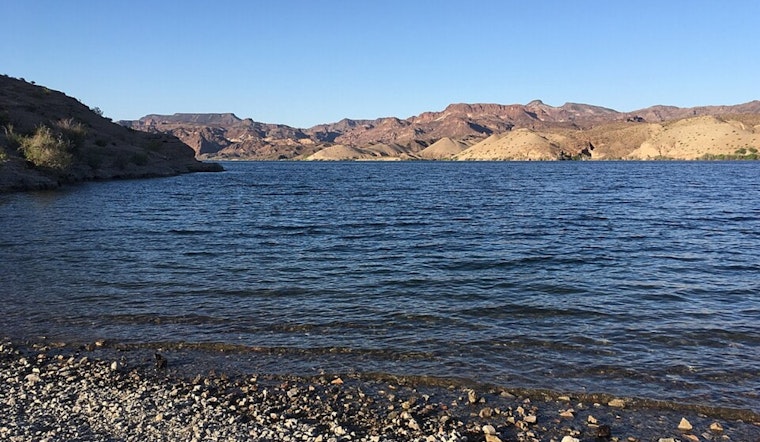
Utah lawmakers quietly dialed up the clout of the Colorado River Authority of Utah this week, tweaking House Bill 473 to move the office into the Department of Natural Resources and expand its role in interstate talks. The change, approved in a Senate Natural Resources Committee hearing, lifts the Authority out from under the governor’s office and is intended to give Utah a stronger voice as seven-state negotiations wobble. Legislators said the shift is driven by worsening reservoir forecasts and the possibility of federal rules or courtroom fights if the basin states cannot reach a deal.
Bill rewires the state's Colorado River office
House Bill 473 formally transfers the Colorado River Authority of Utah into the Utah Department of Natural Resources and adds language that reinforces the Authority’s power to represent Utah in negotiations, according to the bill text on le.utah.gov. Sponsors describe the move as an administrative shuffle on paper, but one that gives the Authority access to DNR staff and funding that can be tapped for interstate talks and legal review.
Conservation language sparks committee fight
The committee hearing turned tense when legislators stripped out an explicit conservation mandate from the Authority’s mission. The Authority’s Cody Stewart argued the language was “duplicative,” while public commenter Cecily Ross warned the change could weaken Utah’s position at the bargaining table, as reported by FOX 13 News. Joel Ferry, the DNR executive director, told lawmakers the reorganization would “give the support, the resources, the manpower, the funding, everything necessary” for the Authority to actually use the teeth the bill provides.
Federal pressure and falling reservoirs
The timing is no accident. The shift follows federal warnings about the Colorado River’s hydrology, and the U.S. Bureau of Reclamation’s February 24-Month Study says inflow forecasts have worsened. Recent declines are roughly equivalent to 50 feet of elevation at Lake Powell, a drop that could push the reservoir toward the minimum power pool and threaten hydropower production at Glen Canyon Dam, according to the Bureau of Reclamation. Reclamation has floated alternative management plans after the states failed to reach consensus, and the federal government pulled governors into the conversation as key deadlines slipped, piling pressure on Utah lawmakers to firm up the state’s representation and legal options, the Los Angeles Times reported.
What it means for Utah
By moving the Authority into DNR, Utah gives its Colorado River team access to agency staff, in-house legal counsel and funding streams that can be brought to the negotiating table or into court. Lawmakers have already signaled they are willing to bankroll a fight: the Utah Legislature requested $1 million for potential Colorado River litigation, a budget move FOX 13 News reported. Supporters say HB 473 strengthens Utah’s hand in defending its water rights, while critics argue that scrubbing the conservation mandate sends the wrong message at a time when key reservoirs are sliding toward record lows.
HB 473 now heads to the full Senate. If it advances, the reorganization will shape how Utah shows up at the bargaining table over the next 12 to 24 months as federal and interstate pressure keeps climbing. For Utahns whose cities, farms and businesses rely on the Colorado River, the bill is both a sign that the state is gearing up for tougher talks and a reminder that the basin’s long-term future is still very much in flux.





