

























































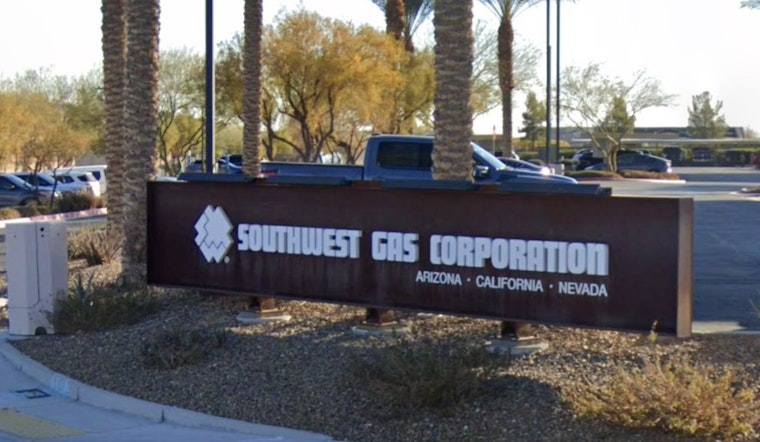
Nevada regulators are staring down a Southwest Gas proposal that could shift roughly $238 million in new infrastructure costs onto customers between 2026 and 2028, as the utility races to keep up with fast-growing neighborhoods around Las Vegas. The three-year resource plan centers on new high-pressure mains, regulator stations, and related work aimed at serving those subdivisions. The Public Utilities Commission of Nevada has the filing on its docket and is set to take it up this week.
What’s In The Plan
The filing lays out dozens of projects that together total about $238 million over the action period. Among the biggest line items are the Tule Springs Project, estimated at roughly $10.5 million to serve about 10,000 new homes, and an expansion in Summerlin West pegged at about $8 million.
Southwest Gas is asking regulators to let it recoup the full cost of the plan, saying that “all costs associated with the Resource Plan” should be recovered through the general rate case process or through a commission-approved alternative rate-making plan, according to KTNV. If the commission signs off, many of those capital expenses could eventually be baked into customer rates.
Who’s Pushing Back
Consumer advocates and clean energy groups are urging the commission to slow down before greenlighting any cost recovery. Robert Napper, testifying for the Bureau of Consumer Protection, argued that Southwest Gas “has failed to demonstrate that the Tule Springs and Summerlin West expansion projects are reasonably designed to meet actual need,” and pushed for more detailed cost breakdowns and clearer capital-planning documents.
Clean Energy Advocates representatives also criticized the resource plan, saying it does not provide robust alternatives or economic analysis, according to KTNV. In plain terms, they want the utility to prove there is no cheaper or cleaner way to meet demand before locking customers into paying for new gas infrastructure.
Company Finances And Timing
Southwest Gas, for its part, has been pointing to its financial performance as justification for staying on an aggressive investment track. Company filings and earnings materials show net income figures and growth targets that executives say support continued capital spending.
In its Feb. 25, 2026 earnings release, the company reported stronger results and highlighted regulatory changes as a key driver of projected 12% to 14% earnings-per-share growth from 2025 through 2030, according to PR Newswire. That long-term growth story is closely tied to what happens in dockets like this one.
Regulatory Path
State lawmakers set the stage for a new style of ratemaking last year when they passed Senate Bill 417 (Chapter 451, 2025). The law directs the Public Utilities Commission of Nevada to create rules for alternative rate plans that can use formula-based and multi-year approaches. The statute text is available from the Nevada Legislature.
Southwest Gas officials have told investors that the commission’s rulemaking and the new statutory framework make it reasonable to expect that potential alternative rate-making adjustments could begin as early as 2028, a timeline executives discussed on investor calls and in transcripts posted by MarketBeat.
What Customers Should Watch
If regulators approve cost recovery for the resource plan, those project dollars could end up in a future general rate case or folded into an approved alternative rate plan, either of which could ultimately change what shows up on monthly bills.
Southwest Gas has already filed its Nevada Annual Rate Adjustment and continues to run its routine rate cases. Details on that filing and the company’s broader Nevada rate activity are outlined on the utility’s website at Southwest Gas.
For Nevadans who want to keep tabs on the process, the triennial resource plan is docketed as 25-09010. Residents can review filings and submit comments through the Public Utilities Commission of Nevada’s online docket system, with links from both the commission’s docket page and the company’s rate information site.




