

























































West Baltimore seniors and tenants with disabilities just sent a very expensive message to their landlords: if you make people live with mold, vermin, and no heat, it can come back to bite you in court.
Two Baltimore juries have ordered landlords to pay more than $1.4 million to five current and former residents of two apartment complexes in West Baltimore after finding that the properties were plagued by persistent, unlivable conditions and operated without required city rental licenses. The plaintiffs, many of whom live in federally subsidized units, told jurors about chronic mold, mice and cockroach infestations, unsecured doors and apartments that went without heat. Maryland Legal Aid, which represented the tenants, said the lawsuits sought refunds of unlawfully collected rent along with punitive and emotional distress damages.
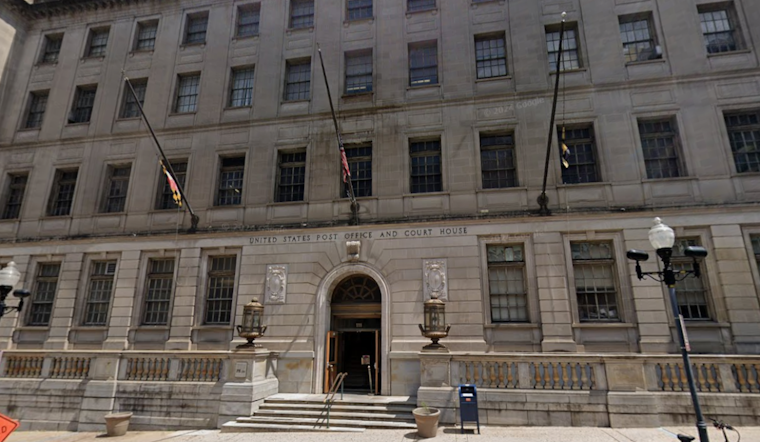
In separate trials held on Jan. 28 and Feb. 2, jurors awarded a combined $1,434,981 against Reginald and Marguerite Daniels Housing for the Elderly and the Bellevieu-Manchester apartments, both in West Baltimore, according to The Daily Record. The verdicts, issued in Baltimore City Circuit Court before Judge Paul Cucuzzella, included reimbursements for rent along with additional damages for emotional harm and punitive purposes. The same outlet reported that Maryland Legal Aid said property manager Towner Management Company was removed from the case in late January after reaching an amicable settlement.
Attorneys pursued a relatively rare fraud and deceit claim, arguing that the landlords knowingly collected rent while lacking the city rental licenses required to operate. That legal theory can significantly increase potential damages if a jury finds intentional misconduct, according to reporting by The Baltimore Banner. The Banner traced the dispute back to rent-escrow filings in 2023 that tenants said produced little change, and noted that a judge allowed the fraud allegation to move forward last year. Housing advocates say the case highlights long-standing gaps in the enforcement of Baltimore's rental licensing system.
Maryland Legal Aid has framed the lawsuits as a fight over basic dignity rather than just a dry licensing dispute. In a news release, attorney Theda Saffo said the case is "about accountability" and "human dignity," according to The Daily Record. One of the plaintiffs, Margaret Little, helped organize her fellow tenants and was awarded $281,513. She told the organization she "just wanted a place to live decently." Her lawyers said Little has since moved to a new apartment.
Why licensing matters
Baltimore requires every rental unit to be registered, inspected, and licensed before a landlord can legally collect rent, according to the city's Department of Housing & Community Development. The policy is supposed to enforce baseline life safety and habitability standards, not just paperwork. The department maintains an online property lookup and inspection checklist that residents can use to verify whether a building is properly licensed and inspected.
When those systems are not enforced, tenants often end up relying on slower courtroom remedies to push for repairs or claw back rent, a process that can take months or years and, as this case shows, occasionally results in high-dollar verdicts.
What this could mean for other tenants
Public nonprofit records list Gina Sammons as a leader connected to the Daniels entity that owns the buildings at issue, providing an identifiable corporate point of contact for any enforcement or collection efforts, according to CauseIQ. Housing lawyers say the verdicts may give other tenants a practical blueprint for seeking refunds and damages if landlords collect rent without proper city licenses.
Maryland Legal Aid has characterized the rulings as a reminder that the law can be used to hold landlords accountable for unsafe, subsidized housing, particularly when traditional complaint channels and rent-escrow proceedings fall short of delivering repairs.





