

























































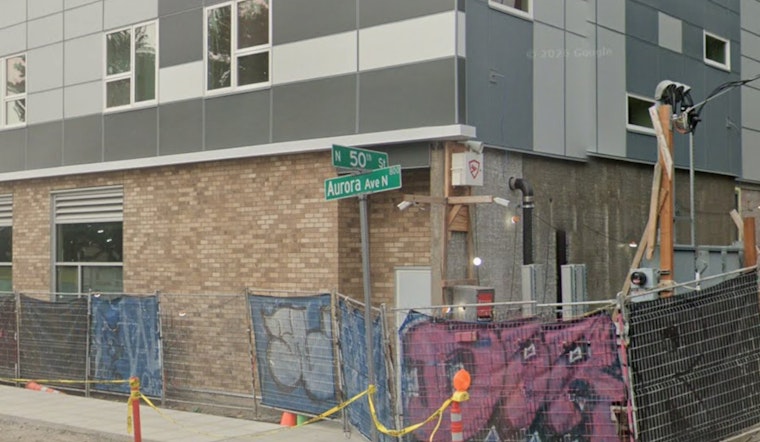
Clover Place is officially open in Seattle’s Woodland neighborhood, bringing 95 new studio apartments online for single adults who have been living with chronic homelessness and complex behavioral-health needs. The four-story building, run by DESC, is named for longtime DESC nurse Christina Clover and is described as the nonprofit’s 19th permanent supportive housing site. DESC says the new property is built around a simple idea: give tenants their own apartments and pair that housing with on-site case management, medication monitoring and substance-use support so residents can settle and stabilize in one place.
What Clover Place Offers
The building’s 95 studios include five ADA-compliant apartments, and 25 units are reserved specifically for Apple Health and Homes referrals. On-site staff will include SAGE case managers and support workers who are expected to help tenants with medication monitoring, referrals to outpatient treatment and access to community programming. Indoor and outdoor common areas are intended to give residents shared spaces that support daily life and tenant wellbeing, according to DESC.
Opening Event And City Officials
The opening was reported Wednesday, and KOMO News noted that Seattle Mayor Katie Wilson was expected to attend and deliver remarks at the event. KOMO reported that Clover Place is DESC’s 19th permanent supportive housing site and said the organization combines these buildings with street outreach, low-barrier shelters and crisis response services. As tenants move in, staff are slated to provide case management and medication monitoring on-site.
Funding And DESC’s Model
DESC says Clover Place was financed through a mix of state and local funding that includes Washington’s Apple Health and Homes program, the City of Seattle Office of Housing and the Washington State Housing Finance Commission, alongside federal tax-credit and lending programs. The nonprofit follows a Housing First, harm-reduction model that prioritizes getting people indoors and then offering voluntary support services rather than making treatment a precondition of housing. According to DESC, the organization now operates nearly 2,000 supportive housing units across the Seattle area.
Neighbors' Concerns And Oversight
DESC’s low-barrier approach has not come without controversy. Neighbors and some elected officials have at times pushed back, pointing to higher volumes of police and fire calls at certain DESC properties and raising safety concerns in surrounding blocks. In Burien, Councilmember Linda Akey publicly accused DESC’s Bloomside project of becoming “a federally funded crack house,” as reported by Burien News. KOMO reported that DESC does not bar tenants with criminal histories from its housing programs, requires residents to sign a good-neighbor policy and maintains that drug dealing is not tolerated and will be followed up on.




