

























































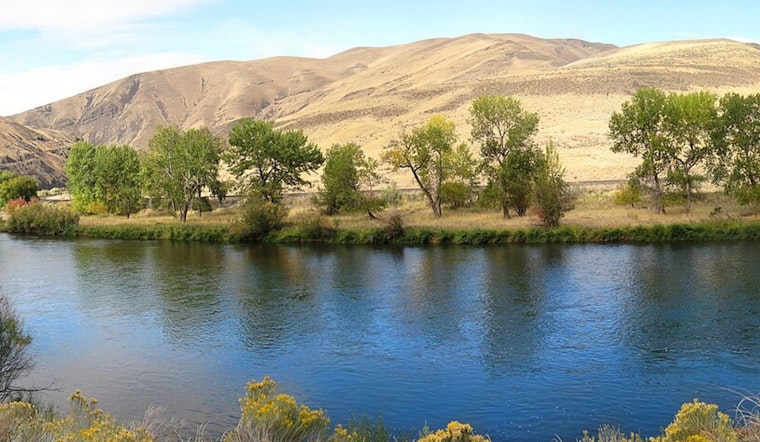
For the fourth summer in a row, Central Washington growers are staring down a nervous irrigation season as the Yakima River Basin’s mountain snowpack sits at about 41% of average. With so little natural storage left in the high country, farmers with junior water rights are once again looking at the very real possibility of reduced allotments and more fields going dry when the heat kicks in.
Heavy rain in December did its best to bail things out by boosting reservoir storage, but it could not fix the snow deficit. The Bureau of Reclamation’s five Yakima Project reservoirs together are holding roughly 760,000 acre-feet of water, about 132% of average for early February, yet the system can store only about 1 million acre-feet and cannot substitute for missing snowpack, according to Capital Press. Irrigators were cut back to about 47% of their full allotments last year, and district managers say some form of proration is likely again unless a big late-winter snowstorm shows up.
Cle Elum Capacity Sits Idle Pending Shoreline Work
One of the more frustrating pieces of the puzzle for local water managers is Cle Elum Reservoir in Kittitas County, the largest of the five federal Yakima Project lakes. Its gates were raised in 2017 to add roughly 14,600 acre-feet of storage, but the Bureau of Reclamation says that extra pool cannot be used until shoreline-protection work is finished. Reclamation’s Cle Elum Pool Raise FAQ notes that the added water was authorized to improve instream flows for fish and that shoreline work is expected to be completed in late 2028 before any new capacity is put into service, according to the Bureau of Reclamation.
Irrigation Districts Press Reclamation For Emergency Fill
Not surprisingly, irrigation districts are pushing hard to put every available drop to work sooner rather than later. Seven districts have asked the bureau to fill Cle Elum to its raised pool now to provide at least a modest buffer for growers, and Kittitas Reclamation District manager Urban Eberhart told Capital Press, “We need every drop we can get.”
In an emailed statement, bureau spokeswoman Erika Lopez said Reclamation is “evaluating whether this may be possible,” a carefully worded answer that leaves irrigators hoping for good news while they scan weather forecasts and spreadsheet projections.
Early March Forecast Will Set Summer Allocations
The real line in the sand will arrive in early March, when federal and state officials use the bureau’s water-supply forecast to set allocations. The Washington Department of Ecology’s water-supply page notes that the first 2026 USBR Total Water Supply Available forecast is expected in the first week of March. State data and federal drought monitors emphasize that higher reservoir levels from rain do not replace the mountain snowpack that serves as the critical reserve for summer river flows, according to the federal drought portal.
Even if Reclamation were to put Cle Elum’s extra 14,600 acre-feet into play, water managers caution that it would be only a modest supplement compared with demand across the roughly 464,000 irrigated acres served by the Yakima Project, according to a congressional report. Growers, tribes and fisheries managers say they will be watching Reclamation’s March forecast and any operational calls closely as the basin edges into spring, hoping the numbers on paper will stretch far enough to get them through another dry summer.




