

























































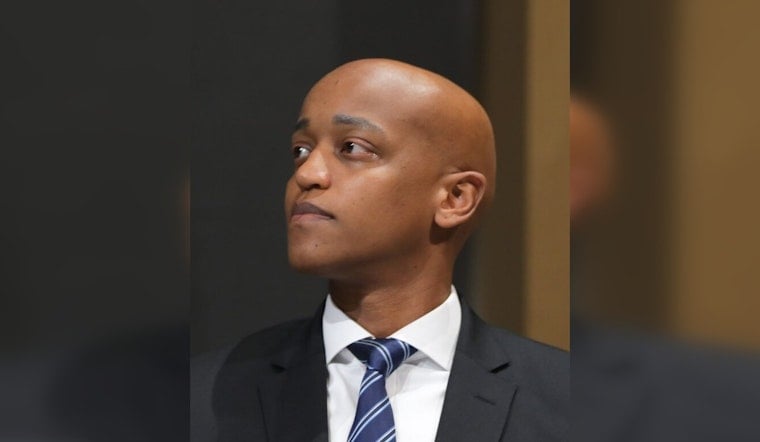
With the 2026 World Cup on the horizon, King County Executive Girmay Zahilay on Thursday signed an executive order that blocks ICE from using non-public county property for civil immigration enforcement, including county-owned buildings, parking lots, garages and vacant lots. The order also carves out $2 million in emergency funding for rent, food and legal support for immigrant and refugee residents and instructs King County International Airport to install stronger security cameras and improve public viewing areas around chartered deportation flights. Zahilay further directed the King County Sheriff’s Office to draft publicly accessible guidance on how deputies will handle reports of federal immigration enforcement, setting a March 16 deadline for the details.
What the order does
The executive order takes effect immediately and creates a "Welcoming County" subcabinet while directing county departments to expand Know‑Your‑Rights resources and review existing policies for compliance with state law. Zahilay cast the move as a direct response to immigrant and refugee residents who he said are "afraid to leave their homes," and signaled that county leaders will advocate against additional ICE funding. As reported by KUOW, the measure dedicates the new emergency aid to rental assistance, food support and legal help.
Sheriff's role and transparency
Zahilay ordered the King County Sheriff’s Office to spell out protocols for how deputies will respond to 911 calls about immigration enforcement and to explain how residents can distinguish local deputies from federal officers. The executive set a March 16 deadline for publishing that guidance, according to reporting by FOX 13 Seattle. The sheriff’s materials are expected to cover when body cameras should be turned on and what steps deputies will take if they believe federal agents have acted unlawfully.
Airport rules and deportation flights
The order directs King County International Airport, also known as Boeing Field, to upgrade cameras and improve public observation areas to increase visibility around chartered deportation flights. County leaders say the changes are meant to make movements at the airport easier for the public to see, and advocates have welcomed the move as an accountability measure. Local reporting by KIRO 7 notes that the airport requirement is part of a broader package that also builds out public-facing resources for residents.
Federal assurances, local unease
The county’s action follows testimony from ICE leadership that federal agents will be part of the security operation for the 2026 World Cup, a pledge that has intensified local unease. Acting ICE Director Todd Lyons told a House committee that ICE is "a key part of the overall security apparatus for the World Cup," according to reporting by The Guardian. The Department of Homeland Security has pushed back, saying international visitors who lawfully enter the United States "have nothing to worry about," language included in local coverage by FOX 13 Seattle.
Local pushback and police reaction
Seattle Mayor Katie Wilson previously took similar steps at the city level, signing an order that bars ICE from using city-owned spaces for civil immigration enforcement and instructs Seattle Police to document any reported federal activity. The mayor’s directive drew a sharp response from the Seattle Police Officers Guild, which said it would not allow officers to be used as "political pawns," according to reporting by Capitol Hill Seattle. The split between elected officials and the police union highlights the legal and operational tensions that are likely to continue.
What comes next
Zahilay’s order explicitly limits the use of county property for civil immigration enforcement but does not stop federal agents with judicial warrants from making arrests, and it does not apply to public rights-of-way, limits that leave federal law in charge of where ICE can operate. The county plans to publish the sheriff’s protocols, and the Welcoming County subcabinet is expected to advise on how the $2 million emergency fund will be distributed and how to coordinate with community organizations. As KIRO 7 reports, Zahilay has framed the order as a local effort to protect residents while larger federal decisions continue to unfold.




.jpg)