

























































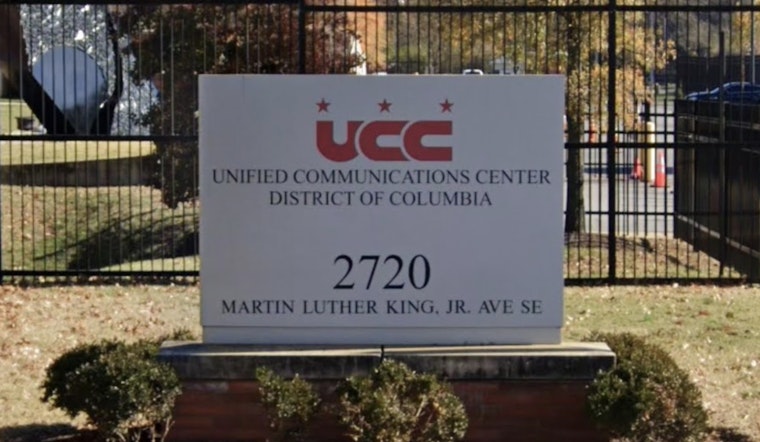
Under the glare of public frustration over botched emergency calls, D.C. lawmakers spent March 18 hearing from advocates and front-line 911 workers who want tighter rules written into law for the city’s emergency call center.
Two bills in front of the Council’s Judiciary and Public Safety Committee would hand clear clinical authority to the Fire & EMS medical director inside the Office of Unified Communications (OUC), require Emergency Medical Dispatch certification for call takers, and overhaul how the city collects and spends 911 fees. Supporters cast the package as a fix for long-running accuracy and training gaps that surfaced during outages and dispatch errors, and they urged the Council to move fast.
Advocates Pressed The Case At Committee
Public-safety advocates, union leaders and a veteran watchdog lined up to tell the panel that the bills would lock recent operational improvements into statute and better protect patient care.
“This bill would finally solve a big problem,” Dave Statter told WJLA, calling the proposal “probably the biggest step toward 911 reform.”
Councilmember Christina Henderson, who is sponsoring the E911 modernization measure, told colleagues that the law governing the 911 fund dates back to 2000 and no longer matches how residents actually use phones, from smartphones to shared plans.
What The Medical Oversight Bill Would Do
The Emergency Medical Services Clarification Amendment Act of 2026 would formally designate the Fire & EMS Medical Director as the Medical Director of OUC. That position would gain authority over dispatch protocols, training, performance reporting and quality assurance.
The bill also spells out protections for Continuous Quality Improvement materials so that CQI documents used to improve performance are shielded from disciplinary use. In addition, it would require every call taker and dispatcher to obtain Emergency Medical Dispatch (EMD) certification within one year of hire, or, for current staff, within one year of the law taking effect.
The bill’s introduction and exact language are posted on the Council’s website for residents who want to see the statutory wording line by line.
Funding And Next Generation Upgrades
The E911 Modernization Amendment Act of 2025 targets the money side. It would update the Emergency and Non-Emergency Number Telephone Calling Systems Fund so that dollars can be spent explicitly on Next Generation 911 infrastructure, GIS, cybersecurity and multimedia-to-911 capabilities, while also revising how surcharges are applied.
Under the proposal, the city would move to a uniform 1.00 dollar monthly fee per access line for non-prepaid services and raise the prepaid wireless charge from 2 percent to 5 percent. The bill builds in regular reporting and triennial reviews so the fund keeps pace with technology shifts and inflation.
Sponsors say the new revenue structure is meant to provide a stable stream for IP-based call routing and long-term resiliency instead of relying on sporadic general fund infusions.
Background: Why Lawmakers Say Action Is Urgent
The push comes after years of scrutiny of OUC operations. Staffing shortages, repeated outages and dispatch mistakes have all drawn sharp oversight and public criticism.
OUC testimony and oversight documents submitted to the Council show improved call-answer times after recent hiring and recruitment efforts, even as Washington handles some of the highest per-capita 911 volumes in the country.
Local reporting has detailed last year’s outages and staffing strains, including an infant’s death tied to an unanswered 911 call, which supporters cited as a grim example of why they believe statutory changes are needed.
What Happens Next
Both measures received a public airing on March 18 before the Judiciary & Public Safety Committee and now sit in committee while members work through potential markups and amendments.
Sponsors and witnesses are expected to stay involved as the committee digests fiscal impact statements, implementation timelines and the training schedules that would come with new certification mandates.
If the medical oversight bill clears the Council and is signed by the mayor, it would take effect after mayoral approval and a 30-day congressional review period, as laid out in the proposed text.
Legal Implications
Beyond training and funding streams, the medical oversight bill would reshuffle who has statutory authority over clinical dispatch protocols and layer in new reporting and audit requirements for the 911 fund. The CQI protections would limit how quality-improvement materials can be used in discipline, while giving Fire & EMS medical leadership clearer operational control over clinical standards.
Together, those provisions would create explicit legal hooks for oversight, auditing and certification that OUC and its partner agencies would have to build into everyday practice. The formal bill introductions on the Council’s legislative pages spell out the precise statutory edits and fiscal mechanics.
For once, there was not much argument about the goal. Lawmakers, advocates and 911 workers largely agreed that they want a faster, more accurate system when residents dial for help. The debates now revolve around how quickly the city can get there and how much it is willing to spend.


