

























































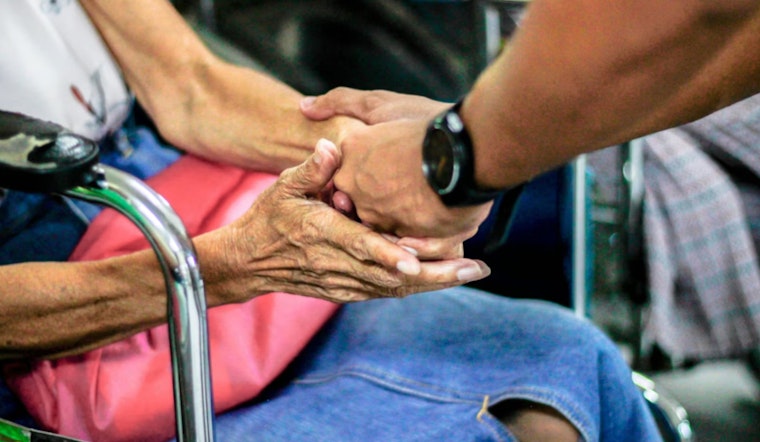
Volunteers across Phoenix are scrambling to ramp up street outreach as an early heat wave pushes highs into the triple digits, following the death this week of a woman many in the outreach community knew as “Mama Dee.” Her passing on Camelback Road, reportedly just weeks before she was set to enter a housing program, has spurred small nonprofits to increase nightly runs for water, food and first aid in areas where people sleep outdoors. Organizers say the loss underscores how quickly heat can turn lethal for people without stable shelter or functioning cooling.
Volunteers mourn 'Mama Dee' while stepping up outreach
Tom's Palms, the grassroots nonprofit that was helping the woman, told Arizona's Family that she had been shot multiple times by an abuser and later discharged by a hospital to fend for herself. Volunteers had recently convinced her to accept housing. Tom's Palms founder Tammy Broselow and outreach medic Amanda Kaminskas said she struggled with diabetes and had lived on the street with her cats for years. The group described her as the kind of person who would give away donations to others even while she was in need, according to the outlet.
Small groups fill gaps as county expands cooling
Tom's Palms says it provides ID sponsorship, first-aid care and regular community givebacks that bring food and cooling supplies to encampments and trailheads. Those grassroots runs have intensified as municipal and county systems also prepare for hotter weather. Recent materials from the Maricopa County Department of Public Health document hundreds of heat-related fatalities in recent years and describe an expanding Heat Relief Network of cooling and respite sites. Maricopa County Public Health emphasizes outreach, longer respite hours and partnerships with nonprofits as central parts of the response.
Why early-spring heat is dangerous
Record-warm early springs have pushed Phoenix toward 100-degree readings months earlier than historical averages, increasing risks for people who sleep outdoors and those with chronic illness. Reporting by KJZZ and the Associated Press shows the Valley has flirted with triple-digit days in March, and public-health experts say homeless people, older adults and people with certain medical conditions are particularly vulnerable when nights do not cool down. That combination of early highs and limited overnight relief can make even brief exposures deadly.
How to help and what volunteers need
Volunteers say the most useful donations are bottled water, sunscreen, cooling towels, prepaid transit cards and modest funds to cover ID fees or housing deposits. Tom's Palms lists drop-box locations and donation options on its site. For people who encounter someone in distress, Maricopa County's Heat Relief Network maintains an online directory of cooling centers and, according to county resources, refers callers to 2-1-1 for live assistance. Organizers ask donors to coordinate with established outreach teams so supplies reach people safely and so offers of housing or medical follow-up can be paired with material aid.
The loss of Mama Dee has galvanized the small teams that already do nightly outreach, and volunteers say they hope the attention this week leads to faster housing placements and more consistent cooling options for people on the street. Arizona's Family reported on volunteers' comments and the community effort to find people before temperatures peak.





