

























































San Francisco’s long-running tax fight with Airbnb is effectively over, and the city is walking away with its wallet intact. The short-term rental giant has agreed to settle a lawsuit seeking roughly $120 million in tax refunds for the years 2019 through 2022 for exactly $0, which clears a big question mark from City Hall’s budget planning. The deal still needs approval from the Board of Supervisors before it is official.
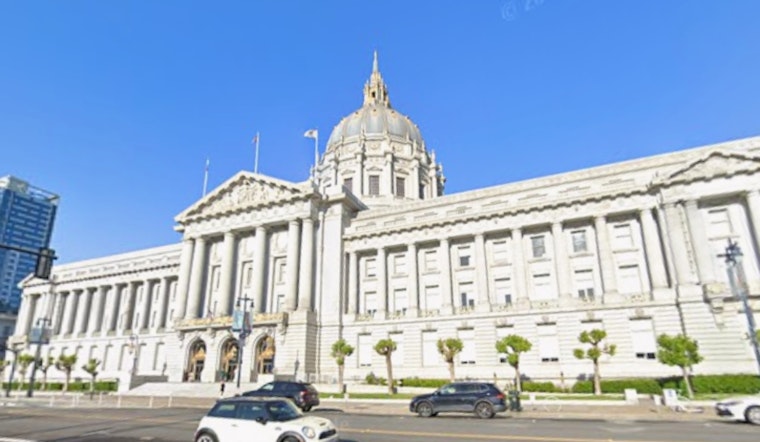
The compromise is laid out in an ordinance at City Hall, File No. 260201, which authorizes resolving the refund lawsuit Airbnb filed on Feb. 23, 2024, in San Francisco Superior Court. The measure also clarifies that neither the city nor Airbnb will owe any additional gross receipts or homelessness gross receipts taxes for 2023 or 2024. The full language and backup documents are posted on the city's Legistar docket.
City Attorney David Chiu called the outcome a win for everyday San Franciscans, saying the agreement "protects the public's money" and that his office is focused on defending the city's tax laws, according to the San Francisco Chronicle. An Airbnb spokesperson told the paper the company was "pleased to reach an agreement" and reaffirmed its commitment to the city. A trial had been set for last month before both sides opted for the zero-dollar settlement instead.
Union Pressure And Political Fallout
The legal dispute never played out only in court. Labor unions and progressive officials spent months hammering Airbnb to drop the case, organizing rallies outside the company’s SoMa offices and urging a boycott last year. The San Francisco Standard reported that prominent Democratic figures joined the push, while local supervisors publicly lined up with unions. What started as a tax fight quickly turned into a high-profile political showdown over corporate responsibility and the city’s budget pain.
What The Deal Means For The Budget
The $120 million Airbnb was trying to claw back had been parked in the city's litigation reserve, essentially frozen in place while the court battle played out. With the settlement, that money can now be unlocked and used to soften part of San Francisco’s projected budget shortfall, officials say.
The mayor’s office told Mission Local that any funds released after the settlement would be spent over three years to avoid creating a sharp drop-off later. City number-crunchers are expected to give a clearer picture soon: the controller, the mayor, and the Board of Supervisors’ Budget and Legislative Analyst are preparing a joint five-year forecast for later this month. The San Francisco Chronicle also noted that the agreement lands as San Francisco wrestles with a multi-year budget gap and faces similar refund claims from other tech platform companies.
What The Settlement Actually Does
On paper, the ordinance closes the book on Airbnb’s refund claims for tax years 2019 through 2022 and withdraws any claims for 2023 and 2024. The item is scheduled to be heard by the Board’s Government Audit and Oversight Committee on March 10, according to the city's Legistar record.
If supervisors sign off, the lawsuit will be dismissed with no payout from the city, and the litigation reserve tied to the case would be released back into the regular budget process. That is a quiet but significant shift for a city trying to avoid deeper service cuts while it hunts for new revenue.
For residents, the takeaway is relatively simple: a marquee legal battle that locked up a sizable pot of potential funding is on track to end without a check being cut to Airbnb. The political and ideological battles that flared around the suit, however, are unlikely to vanish as San Francisco keeps juggling service demands, cost pressures, and contested tax bills. The joint five-year forecast expected at the end of March should finally show how much immediate breathing room this zero-dollar deal actually buys City Hall.





