

























































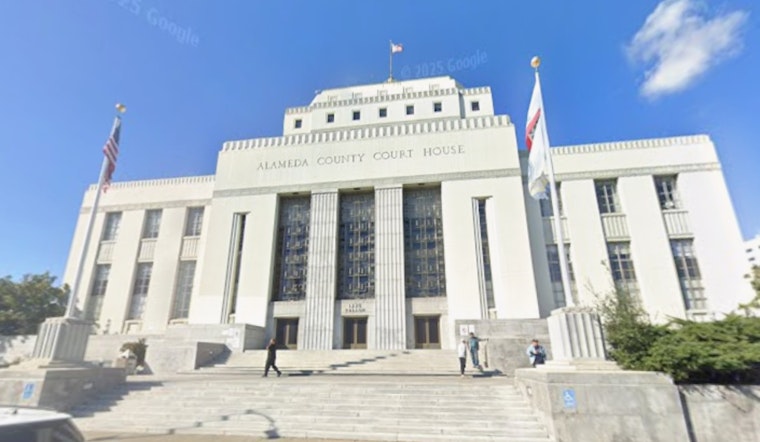
After more than three decades on death row, Franklin Lynch is getting a legal reset. On Feb. 9, an Alameda County judge vacated Lynch’s conviction and death sentence and ordered a new trial, finding that race-tainted tactics by prosecutors undercut the fairness of his capital case. Lynch had lived under a death sentence for roughly 32 years before the ruling.
The judge’s order applied California’s Racial Justice Act after a post-trial review and leaned in part on a concession from the District Attorney’s Office, according to Death Penalty Information Center. The court found that what happened at jury selection and during trial argument created a serious enough risk that racial bias helped shape the verdict.
What the judge focused on
Court records and reporting show the prosecution team that tried Lynch in the 1990s used long, dehumanizing descriptions of him and kept detailed jury-selection notes, according to The New Yorker. That reporting tracks how prosecutors in the office’s so-called “Death Team” classified and ranked potential jurors in ways defense lawyers say pulled race into the process of deciding who would sit on the panel.
DA’s concession and the road to a new trial
Current Alameda County District Attorney Ursula Jones Dickson told the court in early February that her office could not show that discriminatory language used at trial did not play a role in Lynch’s conviction, and she asked the judge to grant relief. Local coverage indicates that this concession was central to the decision to toss out the conviction and death sentence and order a retrial. Davis Vanguard reports on the concession and the resulting order.
Jury notes, peremptory strikes and a juror’s account
Post-trial filings and review materials assert that prosecutors’ jury notes gave significantly lower rankings to Black prospective jurors and featured handwritten “B” marks and red dots, and that peremptory strikes were used to remove multiple Black prospective jurors. The Death Penalty Information Center details those notes and the claim that a Black juror later told investigators she felt racially pressured to change her vote during deliberations. Death Penalty Information Center reviewed the filings underlying those allegations.
Ripple effects across Alameda County
The Lynch ruling is the latest chapter in a broader county reckoning that started when prosecutors uncovered handwritten index cards in the Ernest Dykes file. That discovery led a federal judge to order a review of dozens of Alameda County capital convictions. Longform reporting has followed how those materials and the resulting audits have already produced multiple resentencings and fresh scrutiny of older death-penalty prosecutions. The New Yorker has outlined the origins and scope of the review.
The legal backdrop and what comes next
Under the U.S. Supreme Court’s Batson rule, prosecutors are barred from striking jurors because of race, and California’s Racial Justice Act gives state courts a specific route to grant relief when racial bias infects a criminal case. For more on the constitutional standard and the mechanics of the state law, the Supreme Court’s decision in Batson v. Kentucky and reporting by CalMatters explain the legal tests judges apply in these claims.
No retrial date for Lynch has been scheduled, and the ongoing case reviews in the county mean this ruling could echo through other older prosecutions handled by the same teams. Local outlets report that victims’ families and advocates are bracing for additional litigation and that the decision highlights how long-ago trial practices uncovered in the Dykes review are still reshaping Alameda County’s capital-case landscape. Oaklandside has been tracking the fallout and community reaction.



