

























































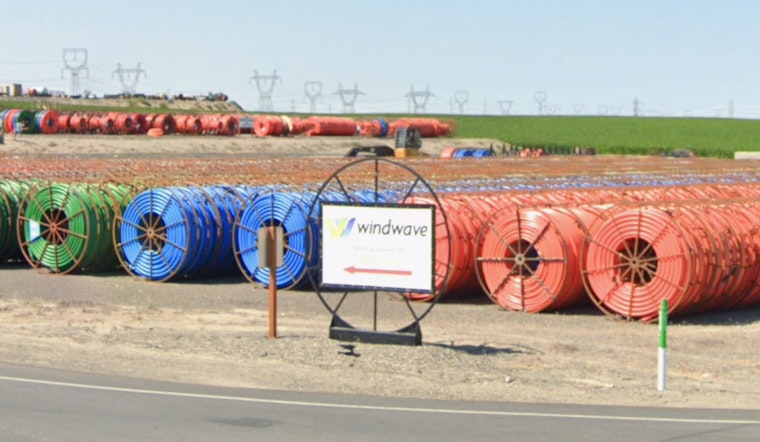
Amazon’s rapid buildout of data centers in Morrow County came with a massive local payday: more than $100 million in payments to a company controlled by former county officials who were, at the same time, signing off on tax breaks and land deals for the tech giant. That overlap has now exploded into a state civil lawsuit and a bitter local argument over whether public office crossed the line into private enrichment.
According to documents reviewed by The Oregonian/OregonLive, Amazon paid Windwave Communications more than $120 million between 2015 and 2022, with a particularly sharp jump in 2021. Those figures have become central to questions about how crucial Amazon’s business was to Windwave’s sudden profitability just as local officials were arranging to buy the company.
What state investigators say
In July 2025, Attorney General Dan Rayfield filed a civil complaint that accuses the buyers of Windwave and several board members of engineering a deal that, in the state’s telling, enriched insiders while shortchanging a nonprofit that previously controlled the company. In the complaint filed by the Oregon Department of Justice, state lawyers say the buyers paid about $2.614 million for Windwave in May 2018, even though they contend the company was worth at least $9.5 million at the time.
Timeline and court update
A Union County judge ruled in early March that the attorney general’s lawsuit can proceed, a key early win for the state that opens the door to discovery and the release of internal records. As OPB reported, lawyers on both sides are now preparing to gather evidence that could include internal emails, loan documents and other materials cited in the state’s filing.
Earlier ethics findings
The legal spotlight on Windwave did not appear overnight. Years before the civil suit, state ethics investigators had already raised concerns about conflicts of interest tied to officials who voted on incentives and land sales for Amazon while holding stakes or roles connected to Windwave. According to GovTech, three former officials agreed in 2024 to pay $2,000 each to settle a complaint with the Oregon Government Ethics Commission, a separate case from the Department of Justice’s civil action.
Amazon's role and community stakes
Amazon maintains that it works with local governments through standard procurement and regulatory processes and notes that it is not a defendant in the state’s lawsuit. Reporting by The Oregonian/OregonLive also points out that the company is on track to pay roughly $23 million in Morrow County property taxes in 2026, in addition to community fees, numbers that help explain why these deals loom so large over local budgets and politics.
Fiscal tradeoffs for Morrow County
County planning records and an independent economic study paint a familiar picture in the data-center world: local governments accept tax breaks in the early years with the expectation of much larger tax receipts over the long haul. A Morrow County economic-impact report projects that, without incentives, a large data-center campus could eventually bring in tens of millions of dollars annually in property tax revenue for schools and other local jurisdictions. The Morrow County analysis highlights those long-term gains while acknowledging that initial years are typically covered by abatements.
Legal implications
If the state ultimately proves its allegations, potential remedies include monetary damages, voiding the 2018 sale and returning Windwave to its nonprofit parent. The complaint also states that the state may seek punitive relief. In its filing, the Oregon Department of Justice points to emails, valuation calls and loan terms that, it argues, show key information was withheld from the nonprofit when the deal was structured, laying out a legal roadmap for the outcome it wants the court to endorse.
What to watch next
Next up is the slow, grinding part of civil litigation: discovery requests, motions and likely depositions as both sides hunt for documents and testimony to back their version of events. In Morrow County, though, residents say the case is already about more than a single broadband company. For many, the fight has become a test of how rural communities welcome deep-pocketed data centers while still insisting on transparency and public trust from the people who cut the deals.



