

























































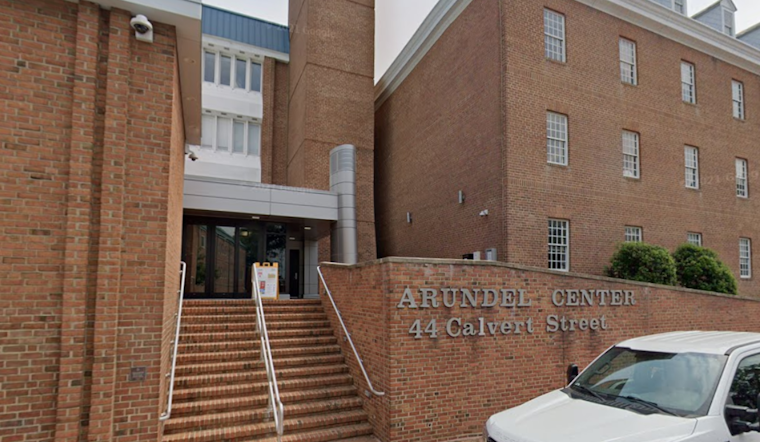
Anne Arundel County officials are pushing back on a quirk in Maryland eviction law that rockets failure-to-pay-rent cases into court just days after a landlord files. Local leaders and tenant advocates say that a five-day turnaround often means renters get notice too late to find a lawyer, gather documents, or even fully understand what is happening, sharply increasing the odds of a default judgment. The fight has landed in Annapolis, where lawmakers are weighing whether to give Anne Arundel its own fix or slow the process statewide.
What the law requires
Maryland’s summary-ejectment statute tells the District Court to schedule a trial very quickly after a landlord files a complaint, and judges have only limited authority to postpone it, according to Maryland Courts. The rule, written into Md. Code, Real Prop. § 8-401, compresses notice, service, trial, and appeal into a tight timeline intended to resolve unpaid-rent disputes fast. County officials now argue that this statutory sprint is exactly what is producing unfair outcomes on the ground.
Why Anne Arundel is pushing
County leaders and housing lawyers describe a steady pattern of last-minute service and thin tenant turnout that turns the five-day clock into what they see as a near-automatic track to displacement. As reported by The Banner, court records and tenant accounts show notices frequently posted on doors on the day of, or just before, scheduled trials, and Anne Arundel’s tenant-appearance rate for failure-to-pay hearings is about 5 percent, roughly half the statewide average. That same reporting follows tenants such as Crofton resident Cienna Brown, who says she received no notice before a Jan. 30 hearing and later discovered a judgment had already been entered against her.
How the sheriff and county handle evictions
Sheriff Everett Sesker has argued that the current pace needs an adjustment so deputies, landlords, and tenants can coordinate set-outs and other logistics without catching people off guard and pushing them into homelessness. The Anne Arundel County Sheriff's Office notes that an eviction requires a deputy on site and that warrants of restitution must be handled within specific statutory windows, which can collide with a five-day trial cadence. County staff adds that real-world steps like scheduling deputies, lining up movers, and avoiding extreme weather take time that the current timeline does not always provide.
Lawmakers and the judiciary are split
In Annapolis, Delegate Gary Simmons introduced legislation this session aimed at loosening the five-day requirement for Anne Arundel. Supporters say it would give tenants a more realistic chance to show up and be heard. The Maryland Judiciary, in a letter cited in reporting on the debate, urged lawmakers not to create a rule that applies only to a single county and instead to preserve statewide consistency. Landlord representatives warned in hearings that stretching the schedule could increase costs and eventually rents, while tenant advocates and legal services groups countered that even a short pause for proper notice and access to counsel would prevent many default judgments.
What changing the rule would mean
Any change would reshape how summary-ejectment cases move through the courts. Real Property § 8-401 already curtails pretrial discovery and compresses appeal and redemption windows, so even modest shifts in the calendar could give more tenants a chance to secure counsel or rental assistance before a hearing. At the same time, judges would still have to manage heavy dockets and landlords’ property rights, and the Judiciary’s cautions about a patchwork of county-specific rules underline the administrative tradeoffs. Lawmakers now have to decide whether shaving a bit of speed off the process reduces wrongful dispossession enough to justify the operational changes courts and counties would need to make.
The bill’s fate will be decided as the General Assembly wraps up its session. For renters in Anne Arundel whose cases are already racing through the system, the clash highlights a broader question about process and fairness: do we keep prioritizing speed, or slow things down just enough to be sure people actually get notice and a real chance to be heard?



