

























































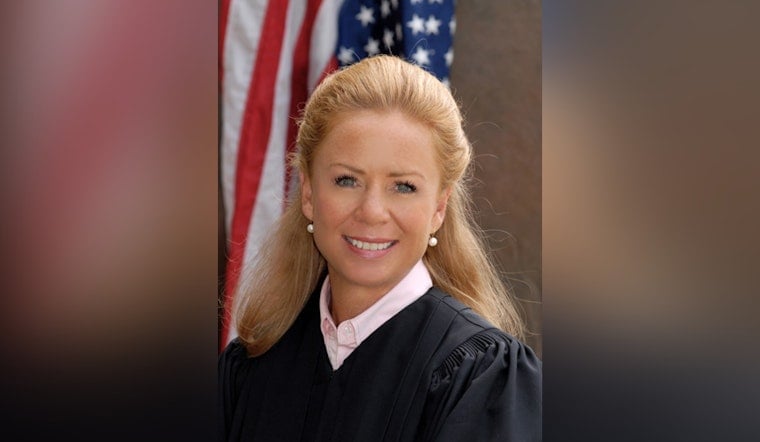
Conservative Wisconsin Supreme Court Justice Annette Ziegler is stepping off the statewide ballot for the first time in two decades, announcing Monday that she will not seek reelection in 2027 and will instead serve out the rest of her current term. The March 9, 2026 reveal caps nearly 30 years on the bench and guarantees an open fight for her seat when it comes up in 2027, a decision she cast as rooted in family and privacy rather than politics.
In a statement released Monday morning, Ziegler said she intends to remain on the court through the end of her term but that “now is the right time for me to step away,” and confirmed she will not appear on the April 2027 ballot, according to Wisconsin Public Radio. The outlet reports that Ziegler, who cited family reasons for her choice, served as chief justice from 2021 through 2025 and that her current term runs until August 2027.
Ziegler first won a seat on the high court in 2007, defeating Madison attorney Linda Clifford in what was then one of the most expensive judicial races in Wisconsin history, and she cruised to a second term in 2017 after drawing no opponent, according to Wisconsin Watch. Before joining the Supreme Court, she worked in private practice, served as an assistant U.S. attorney, sat as a Washington County circuit court judge, and earned her law degree from Marquette University.
Her announcement lands at a moment when the court is already narrowly split. Liberals currently hold a 4-3 edge, and the statewide spring election on April 7, 2026 will decide another seat that could shake up that balance, according to Wisconsin Public Radio. Court of Appeals Judge Chris Taylor is facing Waukesha County Appeals Court Judge Maria Lazar; a Taylor win would expand the liberal majority to 5-2. No matter who prevails, the outcome will define the political math heading into the 2027 contest for Ziegler’s open seat.
Why This Vacancy Matters
An open Ziegler seat could shape decisions on redistricting, collective-bargaining laws, school funding, and other headline-grabbing issues that have already fueled enormous outside spending in past judicial elections. Her retirement announcement has been flagged by the Associated Press as a fresh chance for liberals to extend their majority. Expect campaign cash and interest groups to follow suit, tracking the same nationalized patterns that have turned recent Wisconsin Supreme Court races into multimillion-dollar brawls.
Next Steps And Timeline
Ziegler will stay on the bench through August 2027, but the immediate spotlight is on the April 7, 2026 spring election to fill the seat being vacated by Justice Rebecca Bradley, as reported by the Milwaukee Journal Sentinel. That race will determine whether liberals can pad their majority before voters decide who replaces Ziegler the following year. Party-aligned groups and donors are already engaged, even if the contest has not yet reached the record-breaking intensity seen in the 2020 and 2023 cycles.
Ziegler departs with a record that includes a four-year stint as chief justice and a long track of siding with the court’s conservative bloc in major cases, according to Wisconsin Watch. She has said she is grateful for broad support from across the legal community and plans to complete her term before stepping down. With her timeline now public, candidates, parties, and political operatives have yet another full election season to battle over who grabs one of the most powerful jobs in Wisconsin politics.



