

























































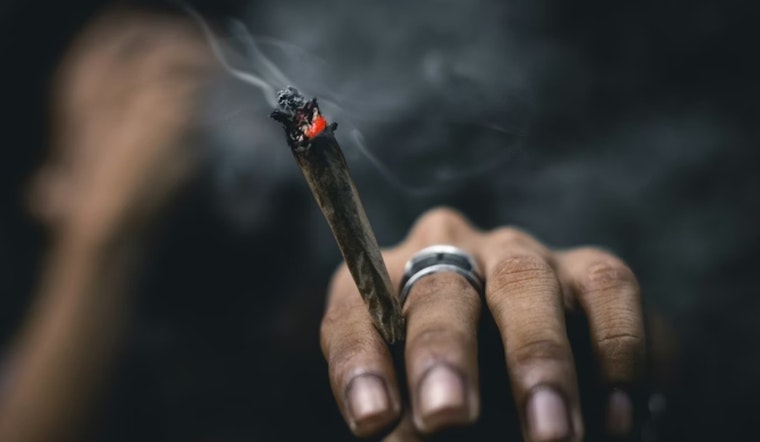
A sweeping new review from Australian researchers is throwing cold water on a popular belief: that marijuana is a reliable fix for anxiety, depression or post‑traumatic stress disorder. The findings land at a time when many people are still lighting up or taking edibles specifically to manage mood and stress, creating a real gap between what patients are doing and what the data actually show. For Cincinnati residents who lean on cannabis to cope, the study is a reminder to loop a clinician into those decisions, not just a trusted budtender or a friend.
The team analyzed dozens of controlled trials conducted between 1980 and 2025 and, as reported by FOX19 (syndicating CNN Newsource), found little evidence that cannabis meaningfully reduces symptoms of anxiety, depression or PTSD. According to the syndicated report, one study author also noted that marijuana did not appear to improve anorexia nervosa, bipolar disorder, obsessive‑compulsive disorder or schizophrenia. Their bottom line was blunt: routine use of cannabis to treat primary psychiatric disorders is not backed by current randomized trial evidence.
What the review looked at
The paper, published in The Lancet Psychiatry, pulled together randomized and controlled trials of both pharmaceutical cannabinoids and whole‑plant cannabis across a range of diagnoses. Because the studies varied widely in dose, product type and how long participants were followed, the authors rated much of the evidence as low or very low quality. They called for larger and longer trials that use consistent outcome measures. In the few cases where modest benefits appeared in narrow subgroups, the results were inconsistent and easily undermined by small changes in the analysis.
How many people turn to cannabis for mental health
Use of cannabis is widespread in North America. The Centre for Addiction and Mental Health's CAMH Monitor (2025) reports that about 29% of Ontario adults used cannabis in the past year, and roughly 11.6% reported medical use in that same period. U.S. surveys similarly show substantial past‑year use. CNN Newsource reporting, syndicated by FOX19, adds that many medical users say they turn to cannabis specifically to manage mental‑health symptoms. That gap, with sizable patient interest but weak trial evidence, is a central concern for clinicians and public‑health officials.
What public‑health experts warn
Public‑health agencies emphasize that cannabis is not risk‑free, especially when used heavily or started young. The CDC notes that cannabis use can trigger anxiety, paranoia and temporary psychosis, and is associated with a higher risk of long‑term psychotic disorders such as schizophrenia, particularly for people who begin in adolescence or use high‑THC products. The agency also points out that a noticeable minority of users develop cannabis use disorder, so weighing potential harms against potential benefits is crucial for anyone considering cannabis as a kind of DIY mental‑health treatment.
Practical takeaways for Cincinnati
If you are using cannabis to cope with anxiety, depression or trauma, clinicians advise talking with your health‑care provider before changing or stopping any prescribed treatments. If you or someone you know is in crisis, you can call or text 988 to reach the Suicide & Crisis Lifeline; see SAMHSA 988 resources for details and local referrals. Local behavioral‑health providers can also help Cincinnatians sort through the risks, identify evidence‑based care and connect with treatment options across Ohio.



