

























































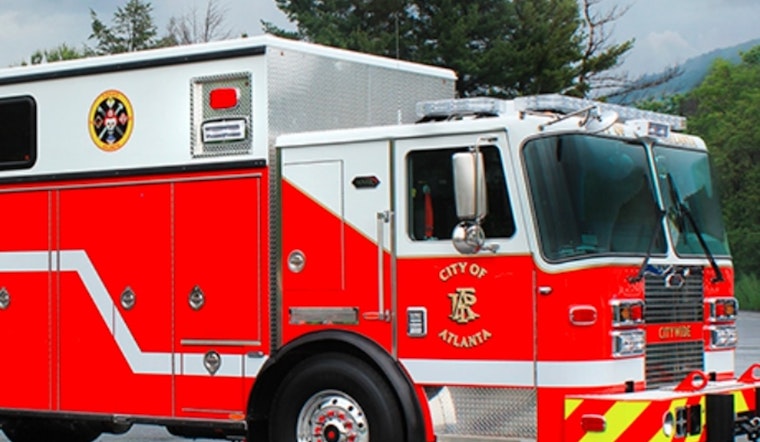
A tense rescue in Atlanta, all caught on video, shows three different emergency agencies squeezing into a tight space and working in lockstep to pull someone out of danger. The clip, captured and posted by local TV station WSB-TV, offers a close-up look at how first responders navigate cramped, hazardous conditions when seconds matter. The footage has been circulating around the city and has people talking about how mutual aid, training and command structure really work when more than one jurisdiction rolls up to the same emergency.
Video Shows Coordinated Response
According to WSB-TV, the station released the clip Saturday as part of its local video coverage. The footage shows crews from three separate agencies lining up roles, managing gear and working around each other to get a person to safety in risky conditions. It plays as a blunt reminder of how much danger first responders are willing to walk into, and how clean communication can keep a chaotic scene from turning into something worse.
Why Multiple Agencies Respond
Complex rescues, especially on the water or in confined spaces, often demand more than any one department can provide. Neighboring agencies and specialized teams are brought in to fill gaps in equipment, staffing or technical expertise. As Atlanta News First reported last year, Atlanta Fire Rescue, the Atlanta Police Department and Cobb County Fire have already been drilling together on swift-water rescues along the Chattahoochee River. Those joint trainings include drone work, boat operations and rope systems, all aimed at shaving precious time off responses and keeping both victims and rescuers safer.
State-Level Support and Coordination
On top of city and county teams, state resources can be called in when a crisis escalates. The Georgia National Guard can provide logistical help and specialized equipment once emergencies are formally declared. In its public materials, the Guard underscores how its units plug into civilian command structures during complex operations, offering extra manpower and tools when local responders are stretched thin.
What This Means Locally
The WSB footage is a vivid reminder that high-risk rescues are almost never a solo act. They are a team sport that relies on mutual-aid agreements, shared protocols and regular cross-agency training to tip the balance toward a successful save instead of a tragedy. For now, WSB-TV's video remains the clearest public look at this particular operation, and we will update this story if any of the agencies involved release statements or additional details.





