

























































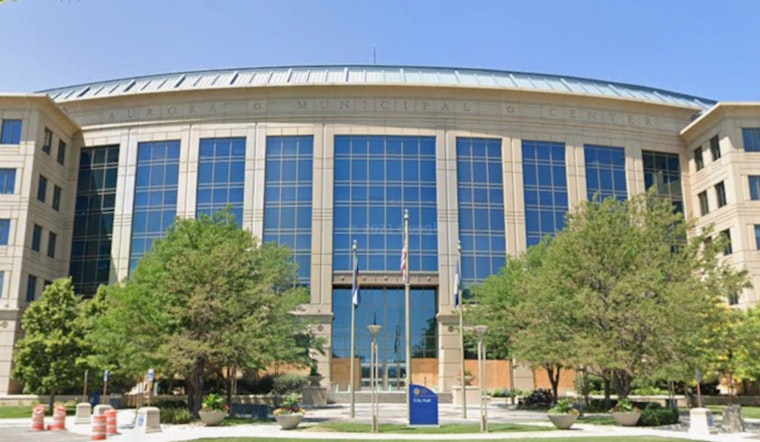
Aurora City Council spent its March 23 meeting staring down a number no utility wants to see: reservoir levels that could dip below half full as early as next month. With storage on the slide, council members wrestled with whether to formally declare a water shortage, a move that would let the city roll out staged conservation rules targeting outdoor irrigation and other nonessential uses. Staff walked elected officials through short-term forecasts and a menu of near-term conservation options.
Council Weighs Formal Shortage Move
The council discussion followed a staff briefing that laid out Aurora Water’s projection that storage could fall under 50% in April, a forecast that triggered talk of a formal shortage declaration, according to 9News. The station reported council members pressing staff on timing and on what exactly mandatory conservation would look like once a stage is activated. City officials told the outlet that a declaration would be used to prioritize potable water and cut back on outdoor watering.
How Close Aurora Is To The Trigger
Aurora currently has about 156,000 acre-feet of storage across its reservoirs, and the city’s Water Management Plan sets staged “triggers,” including a roughly 100,000-acre-foot threshold, that would put the utility into drought restrictions, per the City of Aurora. In recent months, officials have already been urging residents to conserve voluntarily while staff keep a close eye on reservoir levels. Those reserves are the backbone of Aurora’s storage and reuse system that delivers water to homes across multiple basins.
What A Shortage Declaration Would Change
A resolution passed in November that asks restaurants to serve water only when customers request it would flip from voluntary to mandatory if Aurora moves into one of its drought stages, Rocky Mountain PBS reports. The city’s staged response also includes trimming the number of allowed irrigation days for households and stepping up enforcement of water-waste rules, all to protect potable supplies for life‑safety needs.
Why Officials Are Sounding The Alarm
Statewide snowpack and mountain runoff have been unusually low this winter, limiting the spring inflows that typically refill Front Range reservoirs and raising the odds that storage will not fully recover, according to federal drought data from Drought.gov. That kind of “warm drought” pattern makes conservation in March and April especially critical for utilities that depend on spring runoff.
What Residents Should Expect
City staff said they will continue tracking reservoir levels and return to the council with recommendations, and residents should be ready for limits on outdoor watering and possible surcharges if a formal stage is approved. Council Member Stephanie Hancock told city materials the restaurant “ask-for-water” policy is meant as a modest conservation step that would become mandatory under drought conditions. For current storage figures and details on staged actions, Aurora Water’s drought page has the latest updates.





