

























































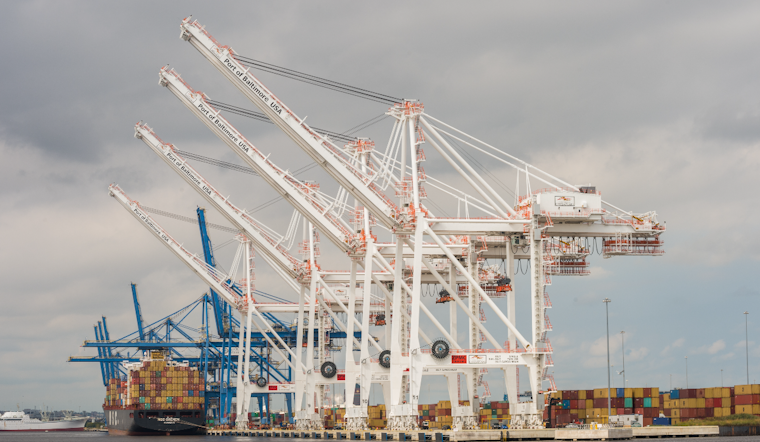
Two years after the Francis Scott Key Bridge collapsed, the Port of Baltimore is not just limping back; it is putting up numbers that local officials say look like a real comeback. They point to a strong 2025 showing, with roughly 50 million tons of cargo and an estimated value of about $65.6 billion, plus record action on containers and ship calls. The port also held on to its status as a national leader for roll-on/roll-off farm and construction equipment while continuing to process hundreds of thousands of vehicles.
As reported by FOX45, the Helen Delich Bentley Port of Baltimore handled roughly 50 million tons of cargo in 2025 and logged cargo valued at about $65.6 billion. Officials described that as the port’s second-best year, following a 2024 slump tied directly to the Key Bridge collapse. FOX45 also noted that the port set records for container and total cargo ship visits and moved more than 728,000 autos and light trucks last year.
Records at the terminals
State figures show the Seagirt Marine Terminal moved 1,113,309 twenty-foot equivalent units in 2025, and the port recorded 2,223 cargo vessel visits, both new highs. Officials credited an increase in weekly container services, from 12 in 2024 to 15 in 2025, along with planned infrastructure projects they say should expand capacity. According to the Office of Governor Wes Moore, those gains reflect coordinated work by terminal operators, labor, truckers, and other supply chain partners trying to keep freight moving while the bridge is out of commission.
Bridge rebuild costs and timeline
The bridge itself is the giant variable hanging over all of this. The Maryland Transportation Authority in November 2025 updated its cost estimate to a range of $4.3 billion to $5.2 billion and said the new span is unlikely to open before late 2030, with roughly 70 percent of the design phase complete. MDTA officials told reporters that rising material costs and a more robust pier protection design account for much of the increase, and the agency said the state is pushing ahead with early work while pursuing damages from the DALI’s owner and manager to help offset federal costs. These details are laid out in MDTA’s project update and design release.
Federal money and politics
Federal funding for the rebuild was folded into a late 2024 spending package, but the money comes with a side of oversight and politics. As reported by The Washington Post, U.S. Transportation Secretary Sean Duffy publicly questioned Maryland’s initial projections and warned that final costs could end up significantly higher. At the same time, CBS Baltimore noted that Congress included the full federal share in a December 2024 measure, even as federal officials pushed for tighter oversight of how the money will be spent.
Why it matters for jobs and supply chains
The stakes are not abstract for Maryland. The governor’s office puts the port’s annual economic footprint at about $70 billion and connects more than 273,000 Maryland jobs to port activity. That mix of employment and Baltimore’s capacity to handle heavy equipment, autos, and project cargo is a big part of why state and port leaders are intent on keeping throughput steady while the bridge is rebuilt. They say planned investments in terminals, rail, and related freight projects are designed to turn 2025’s momentum into longer-term growth rather than a one-off rebound.
What to watch next: weekly service patterns from ocean carriers, vehicle volumes for importers and exporters, MDTA contracting decisions, and the outcome of litigation that could shift how much of the rebuild tab gets picked up by insurers or the DALI’s owner. For now, officials are trying to thread a narrow needle, rebuilding the bridge to higher safety standards while keeping a critical national gateway humming. If port executives have their read right, Baltimore’s 2025 turnaround may end up being exactly what Daniels promised, the setup for bigger things to come.





