

























































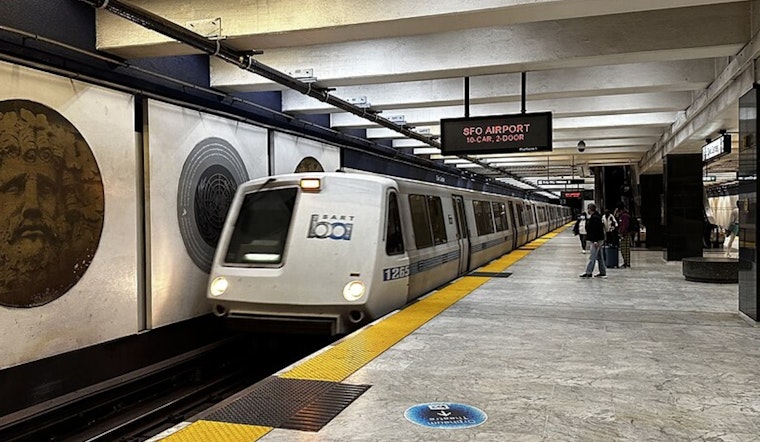
BART is quietly testing an unlimited pass that would let riders hop around the Bay Area transit network without watching the meter, even as the agency repeats that traditional monthly passes are still not on the table because it leans heavily on fare revenue to balance the books. In a social media reply, BART framed the new experiment as a search for a price that works for everyone without blowing a hole in its budget. For now, riders should expect the test to appear first through employer and institutional programs rather than as a ready-to-buy, systemwide subscription.
BART's post and what it said
In a post on X, BART said it is “testing an unlimited pass for all transit in the Bay Area” while stressing that weekly and monthly passes are not currently offered because the agency is farebox dependent. The comment came as part of a thread responding to riders asking if a one-price, monthly-style pass was finally coming to the system. For now, BART is presenting the unlimited-pass test as a way to play with pricing and rider behavior without locking itself into a permanent new fare structure.
We don't currently offer monthly passes because we are fare box dependent (it would make our deficit worse). But we are currently testing an unlimited pass for all transit in the Bay Area so we can find a price point that works for everyone.
— BART (@SFBART) March 19, 2026
BART does offer safety staff that are…
BayPass pilot already underway, but not universal
The concept itself is familiar. The Metropolitan Transportation Commission’s Clipper BayPass pilot already sells unlimited, all-systems passes to universities, employers and select housing sites to measure what happens to ridership, according to MTC. MTC has been funding the pilot to cover revenue impacts so participating transit agencies are not immediately left with a budget shortfall. Early evaluations show that people with BayPasses take more trips, but turning that into a permanent, regionwide unlimited product would still require either a reliable subsidy or a price point that protects operating revenue.
Why BART says monthly passes would be risky
BART still states that “Weekly and monthly passes are not available,” which reflects the challenge of dropping a flat, unlimited pass onto a distance-based fare system. That policy sits atop BART’s long history of relying on farebox revenue, and analysts and local outlets have detailed how post-pandemic ridership declines have strained the agency’s finances. As the San Francisco Chronicle reported, rolling out unlimited passes without outside funding to offset the hit could deepen operating deficits instead of fixing them.
What riders should expect next
In the near term, unlimited access is most likely to show up through employers, campuses and housing programs that buy BayPass subscriptions in bulk, not as a simple monthly pass you can load at a station machine. The pilot setup lets agencies experiment with price points and track the financial fallout while MTC provides temporary relief for lost fare revenue. Riders holding out for a single, predictable monthly-style option will want to keep an eye on BayPass expansions and employer programs, which are likely to provide the earliest real-world clues about how much an unlimited pass might eventually cost.
Unarmed safety staff and how to get help
BART’s social media reply also underlined that the agency offers safety staff that are not sworn police officers, and that riders can request Crisis Intervention Specialists for non-criminal, health or welfare concerns. BART’s Progressive Policing and Community Engagement Bureau says Transit Ambassadors and Crisis Intervention Specialists are full-time, unarmed staff who are trained to de-escalate situations and connect people with services, as described on BART. Riders who need help can contact station staff or use BART’s apps to request non-emergency assistance.





