

























































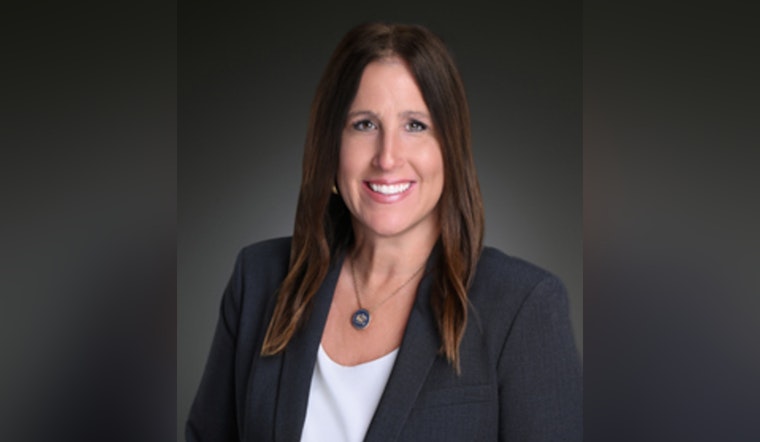
That off-the-record chat in Louisiana might not stay so casual if a new proposal at the Capitol becomes law. A Baton Rouge lawmaker has filed a bill that would make it illegal to record most in-person conversations without telling everyone involved. House Bill 410, sponsored by Rep. Laurie Schlegel, seeks to create an all-party notification rule for what the bill calls "direct conversations." The measure was provisionally referred to the House Civil Law and Procedure Committee, where it now awaits review and possible amendments.
What HB410 Would Do
House Bill 410 would prohibit using a device to record or transcribe a "direct conversation" unless all parties are specifically told the conversation is being recorded, according to the bill text on the Louisiana Legislature. The bill defines a direct conversation as an in-person exchange directed to a specific person under circumstances in which someone would reasonably not expect to be recorded. It also creates a private right of action that would allow people who say they were secretly recorded to seek damages and attorney fees in civil court.
Exceptions And Penalties
The measure lists carved-out exceptions for law-enforcement activity, emergencies, situations that could capture evidence of a crime, and public officials performing official duties in public places where there is no reasonable expectation of privacy, and it excludes public or semi-public meetings such as government hearings and press conferences, as reported by WWL-TV. Violators would be liable for damages, court costs and reasonable attorney fees under the bill's private-action framework.
Backers Point To New Tech
The bill's legislative findings warn that "advances in consumer recording technology, artificial intelligence, wearable devices, and automated transcription tools enable interpersonal communications to be permanently preserved in digital form," language taken from the draft statute on the Louisiana Legislature's site. Supporters say smartphones, smart glasses and AI transcription tools make undisclosed recordings feel far more invasive than in previous eras, since a quick chat can quietly turn into a permanent digital record.
Legal Headwinds
Civil-liberties and press-freedom groups warn HB410 could prompt First Amendment challenges. The Ninth Circuit in Project Veritas v. Schmidt struck down an Oregon all-party notification rule for public, in-person recordings, and that opinion is likely to be cited if similar laws spread. The Reporters Committee for Freedom of the Press also notes that Louisiana currently permits one-party recordings under its Electronic Surveillance Act, a statutory backdrop that could complicate both enforcement and litigation.
What Comes Next
Tracking services show HB410 was prefiled and provisionally referred to the House Civil Law and Procedure Committee, where lawmakers can hold hearings, amend the text or vote it down, according to LegiScan. If the bill advances expect testimony from privacy advocates, journalists and law-enforcement stakeholders, and likely lawsuits testing how the state balances conversational privacy against the public's right to record officials.





