

























































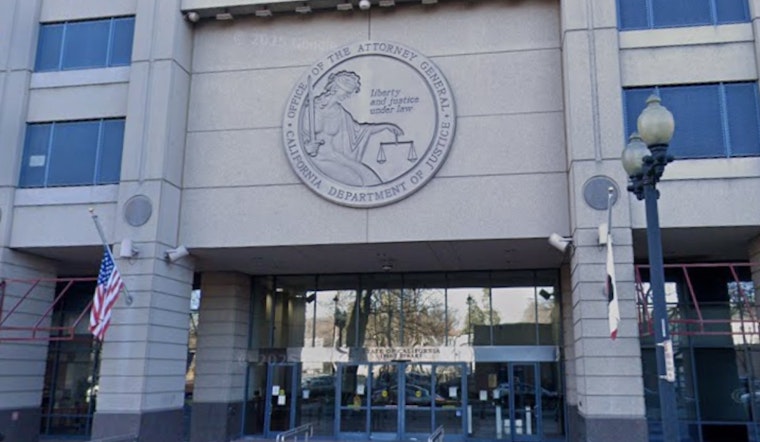
Ferraris, McLarens and other high-end toys are at the center of what California officials say was a years-long tax dodge run out of the Bay Area, with luxury buyers allegedly pretending their cars lived in Montana while they were actually cruising local roads.
Attorney General Rob Bonta has filed criminal charges against 14 people accused of setting up out-of-state LLCs and falsifying shipping paperwork to hide more than $20 million in vehicle purchases and avoid roughly $1.8 million in California sales and registration taxes. Prosecutors say the case targets a version of the so-called “Montana loophole,” where ultra-pricey cars are registered in Montana to dodge California’s much steeper tax bill, even though the cars are stored and driven here.
According to a press release from the California Department of Justice, the 56-count complaint charges the 14 Bay Area residents with conspiracy, filing false sales-tax returns, failing to file tax returns, perjury, and money laundering. Prosecutors say the alleged operation relied on falsified forms submitted to the California Department of Tax and Fee Administration and the DMV, along with bogus bills of lading that claimed the cars were purchased for use outside California, even though investigators say they stayed in-state. The case is being handled by the DOJ’s Tax Recovery in the Underground Economy (TRUE) Task Force and the Special Prosecutions Section.
State agencies say the problem is widespread
The California Department of Tax and Fee Administration says the Montana registration strategy and similar out-of-state maneuvers are not just one-off stunts but part of a persistent pattern that costs the state more than $10 million a year, and that investigators have flagged nearly 2,500 sales to Montana purchasers since 2023, according to CDTFA. The DMV has launched more than 80 criminal investigations into suspicious vehicle registrations, identified hundreds of fraudulently registered vehicles and pulled in roughly $2.3 million in back registration fees and taxes, as reported by the San Francisco Chronicle.
What prosecutors say the evidence shows
The complaint, filed February 23 in Sacramento County Superior Court and made available by the Attorney General’s office, lays out text messages, fake bills of lading and invoices that prosecutors say show how the vehicles were routed to Montana LLCs on paper but were actually picked up, stored and driven in California, according to the California Department of Justice. The filings list dozens of alleged overt acts between 2018 and 2023 and spell out the specific high-end vehicles investigators say were pulled into the scheme.
Charges, penalties and next steps
Prosecutors are pursuing felony counts including conspiracy to commit tax evasion, filing false sales-tax returns, perjury and money-laundering. If convicted, the defendants could face prison terms and substantial financial penalties. State officials say their broader enforcement push in this area has already brought in some unpaid taxes and fees and triggered audits of dealers, with combined recovery figures connected to recent enforcement activity at about $4 million, as reported by Bloomberg Law. The case will move forward in Sacramento County Superior Court, and the DOJ says additional investigations and dealer audits are underway.
Why regulators are tightening rules
Officials say the ease of setting up LLCs, online marketing pitches that promise painless out-of-state registrations and spotty checks across jurisdictions helped this kind of arrangement spread, and that closing the gap will require both tougher enforcement and more responsibility from dealers. The California Department of Tax and Fee Administration has warned dealers that they can be on the hook for uncollected tax if they fail to maintain solid delivery records, as outlined by CDTFA. And in a post on X, Attorney General Rob Bonta highlighted a message that read, “don’t want the state of california to know anything about this car…”, a blunt example prosecutors say captures how paperwork was allegedly manipulated to hide tax obligations.
“‘Don’t want the state of California to know anything about this car…’”
— Rob Bonta (@AGRobBonta) March 10, 2026
Too bad.
My office has charged 14 people with tax evasion for trying to dodge sales tax on luxury car purchases—costing California millions.
More on how we’re fighting to hold these fraudsters…



