

























































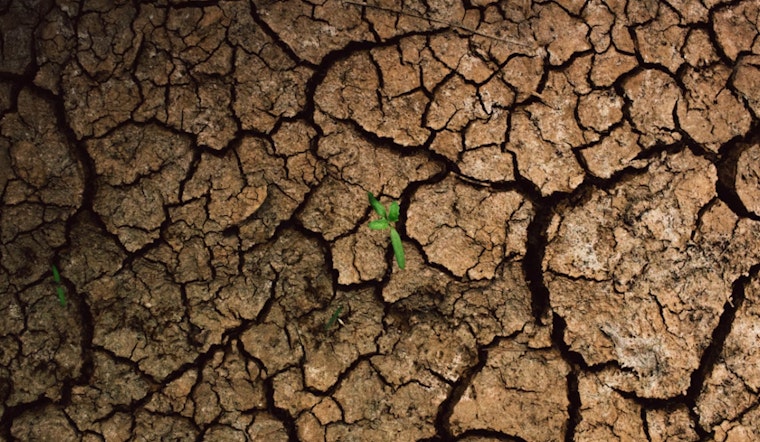
Massachusetts just slogged through a winter of big snowbanks, but the ground underneath is still thirsty. State environmental officials warned Monday that drought conditions are getting worse across much of the Commonwealth, with rivers, ponds and private wells still running low after months of below-average precipitation. The verdict from the state: those big storms barely put a dent in the deficit, so residents should start conserving now.
State raises drought levels
The Drought Management Task Force announced that the Central and Northeast regions have been elevated to Level 3, or “critical drought,” while the Connecticut River Valley is now at Level 2 and the Western Region at Level 1, according to Mass.gov. To reach that decision, the task force said it reviewed data collected from August 2024 through the end of February 2026. Energy and Environmental Affairs Secretary Rebecca Tepper said the drought “has been building since 2024,” pointing to persistently low streamflow and depressed water levels across much of the state.
Snowmelt will not solve the problem
Officials cautioned that this winter’s snowfall will not magically erase the shortfall. State estimates suggest that even three feet of snow translates to only about two to three inches of water, and much of that was still trapped in frozen ground in early March. That limited snow-water equivalent means the melt is expected to deliver just a small, short-lived boost in flows rather than a full recharge of rivers, lakes and groundwater, as reported by The Boston Globe.
Streams and reservoirs still under stress
Regional monitoring shows that streamflows and many ponds and lakes remain well below normal for this time of year across southern New England, even as some higher-elevation and northern locations are faring better. Short, sharp rises in flow after rain or snowmelt are likely, but federal and regional drought analysts warn that only steady March and spring precipitation will meaningfully improve statewide water levels, according to the Northeast drought early-warning system at Drought.gov.
What residents should expect
Public water suppliers are watching conditions closely. The Massachusetts Water Resources Authority system is not currently in drought under its own management plan, but local utilities and private well owners may still run into low flows and tighter restrictions. State officials are urging residents to cut back on indoor use where possible, limit outdoor watering, and report dry environmental conditions through the Massachusetts Water Impact Reporter, according to Mass.gov.
Outlook and next steps
The Drought Management Task Force said it will continue working with municipalities, water suppliers and emergency managers, and that consistent rainfall in the coming months is needed to pull regions back toward normal. Officials added that while passing showers can help fast-responding streams, only a longer stretch of above-average precipitation will rebuild groundwater reserves and cut back fire risk, a point underscored in recent reporting by The Boston Globe.




