

























































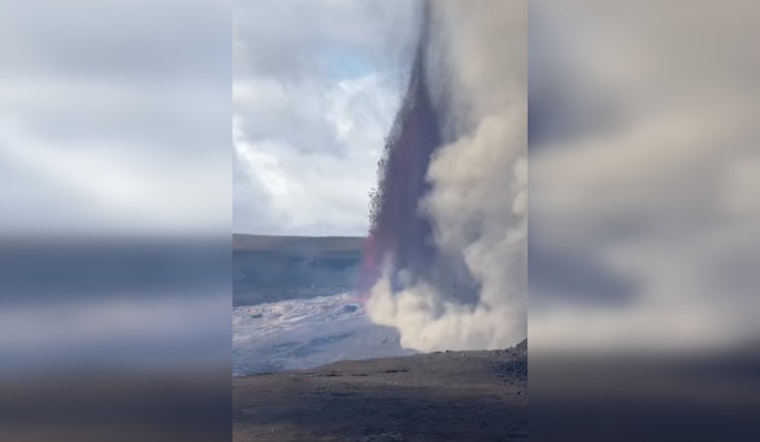
Kīlauea is back in the spotlight after Episode 43 of summit fountaining kicked off at 9:17 a.m. HST on Tuesday inside Hawai‘i Volcanoes National Park, prompting the USGS Hawaiian Volcano Observatory to raise the alert level to a Volcano Watch. Scientists and emergency officials warn the activity is likely to throw tephra and fine volcanic particles downwind, creating ashfall and respiratory hazards for nearby communities. State and county emergency managers are urging residents to take precautions and reminding everyone that their social media accounts are not staffed around the clock, and that people should call 9-1-1 for any life‑threatening emergencies.
Civil Defense message: 03-10-2026 10:30 AM: USGS HVO issued Kilauea Volcano WATCH. Episode 43 began at 9:17am and is likely to produce tephra and fine particles that will affect the surrounding communities. Take necessary precautions. Hawaii Emergency Management Agency's social media accounts are not monitored 24/7. Call 9-1-1 for emergencies. https://x.com/i/status/2031472900688195814
— Hawaii EMA (@hawaii_ema) March 10, 2026
What the watch means for residents
According to the USGS Hawaiian Volcano Observatory, Episode 43 began at 9:17 a.m. HST, with the Volcano Alert Level set to WATCH and the Aviation Color Code raised to ORANGE. HVO reports that the activity is currently confined to Halemaʻumaʻu crater. At the same time, scientists caution that light, variable winds can push tephra and volcanic gases in unpredictable directions, and they say short status updates will be posted as the episode unfolds.
Park status and visitor guidance
The National Park Service says summit viewing areas and some park programs may be temporarily closed if conditions worsen, and it is reminding visitors to respect barriers and stay out of closed areas, per Hawaiʻi Volcanoes National Park. Park officials also warn of unstable crater rims, the risk of falling rocks and volcanic gases that can quickly cut visibility and reduce air quality near the summit.
Tephra risks and local precautions
Hawaii Sea Grant notes that tephra covers everything from fine ash to Pele’s hair and other sharp, glassy fragments that can irritate eyes and lungs and contaminate rainwater catchment systems. The Hawaiʻi County Civil Defense Agency is urging residents with respiratory issues to stay indoors, to disconnect gutters that feed water tanks, to avoid driving in heavy ashfall and to use appropriate masks and eye protection if they must go outside.
How long this might last and where to watch
Local coverage points out that most summit fountaining episodes since December 2024 have been brief, typically a day or less, although maximum fountain heights and the behavior of the eruption plume can change quickly, according to Big Island Now. Live camera feeds and short HVO notices are providing near‑real‑time views and updates as Episode 43 progresses.
For authoritative information, residents and visitors are encouraged to subscribe to the USGS HVO Volcano Notification Service and follow official channels, including USGS HVO’s volcano updates and the Civil Defense message shared by the Hawaii Emergency Management Agency. Officials stress that anyone facing immediate danger should call 9-1-1 and otherwise rely on government and emergency‑management sources for up‑to‑date instructions.





