

























































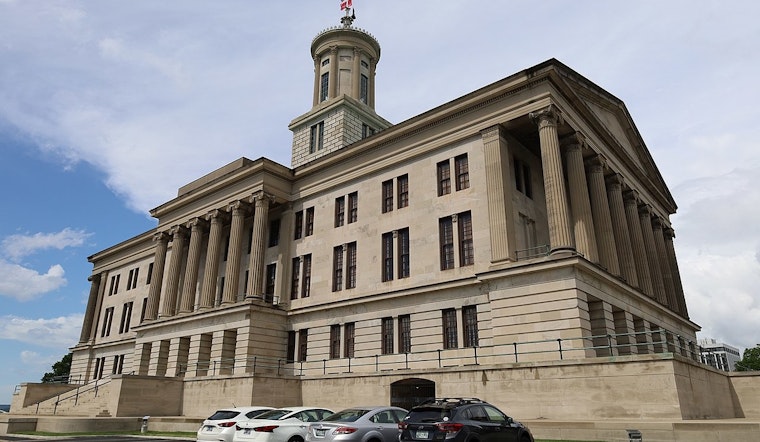
A high-profile push to create statewide, taxpayer-free pre-K funded by a new tax on digital advertising sputtered in Nashville on Wednesday when SB 2512 failed to clear the Senate Education Committee. Sponsors had billed the bill as the way to guarantee every 4-year-old a public preschool seat, but senators balked at the price tag, classroom capacity questions and potential legal headaches.
What the bill would do
SB 2512 in the Senate, paired with House companion HB 2008, was drafted as a "Universal Pre-K Funding Act" that would require every local education agency to offer pre-K to eligible 4-year-olds, with the state footing the bill for classrooms and staff. To pay for it, the proposal created a new "data transaction privilege tax" on digital advertising revenue, set at 9.5% of a company’s assessable base and applied only to firms with an assessable base of 50 million dollars or more. The money would flow into a dedicated universal pre-K fund run by the Department of Education, as reported by WSMV.
Price tag and classroom capacity
An estimate from the Fiscal Review Committee attached to the bill pegs the plan as a major long-term commitment, projecting roughly 382.2 million dollars in recurring annual costs once the program is fully up and running. The fiscal note also estimates the state would need about 4,138 classrooms to cover every eligible 4-year-old and roughly 3,138 additional teachers and assistant teachers. Those figures immediately raise questions about whether districts have enough space in their buildings and enough people to hire, according to the Fiscal Review Committee.
How it stalled
The bill landed on the Senate Education Committee calendar for a March 4 hearing and, according to local reporting, failed to advance out of committee that day. Its House companion remained parked in a House K-12 subcommittee in early February while lawmakers mull whether to rework the idea or look for another way to pay for universal pre-K, as reported by WSMV.
Legal questions
Digital advertising taxes have already drawn lawsuits elsewhere, and attorneys say Tennessee would likely be stepping into the same crosshairs. Maryland’s digital ad law, for instance, set off closely watched court fights over issues such as pass-through prohibitions and possible conflicts with the Internet Tax Freedom Act. Legal analysts at Eversheds Sutherland’s SALT Shaker blog have detailed how those disputes highlight the constitutional and statutory risks that come with this kind of narrowly aimed tax policy (Eversheds Sutherland).
Policy context and the debate
Supporters argue that universal pre-K can level the playing field for kids, boost kindergarten readiness and help parents get back to work. Skeptics counter that the price is steep, the compliance burden on businesses could be heavy and the legal exposure from a digital-only tax is hard to ignore. Research summaries cited in the legislation, along with independent reviews, generally find that preschool improves school readiness but stress that the benefits depend on program quality and strong alignment with instruction in the early grades, a point explored by the Brookings Institution.
What comes next
With SB 2512 now off the Senate committee calendar, sponsors have a few options. They can bring the bill back in a future session, trim or rewrite the digital ad tax language, or hunt for a different revenue source or legislative vehicle to keep the universal pre-K conversation alive. Readers can find the filing, full text and fiscal materials on the Tennessee General Assembly bill page for SB 2512 (Tennessee General Assembly).





