

























































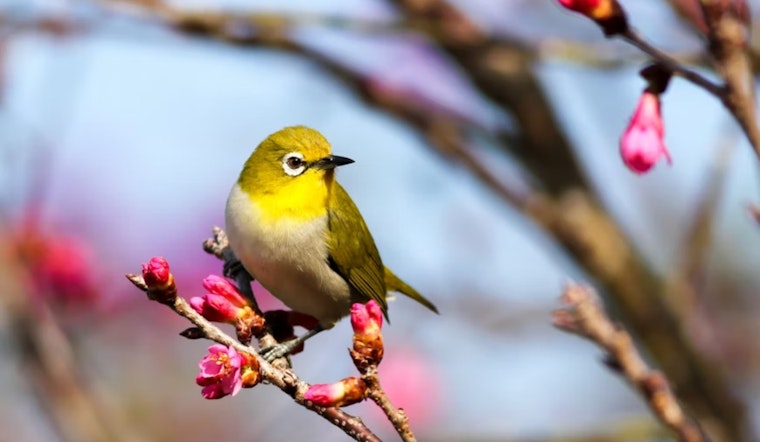
Metro Denver is not just packed with commuters, craft breweries, and transplants from everywhere. It is also a major layover for landbirds coursing across the continent, according to a new nationwide study that puts the metro area squarely on the migration map.
Researchers say city parks, street trees, and even backyard gardens are pulling serious weight as refueling and resting stations for birds on the move. Those everyday bits of green, it turns out, function as links in a migration network that stretches across the hemisphere.
Study at a glance
The findings come from a paper in Nature Cities, which used weather surveillance radar to estimate stopover activity across 2,130 parks in 88 urban areas around the United States.
The authors report that nearly half of migration hot spots fall inside Metropolitan Statistical Areas, 48 percent in spring and 44 percent in fall. They also found that the relationship between cities and stopover activity shifts by region, trending positive in western flyways and negative in the east. Those patterns held even after the team accounted for landscape and social variables.
Why Denver shows up on migration maps
Lead author Miguel "Mikko" Jimenez began the project as a doctoral student at Colorado State University and now works as a researcher at Lincoln Park Zoo. He told KUNC that western cities such as Denver tend to concentrate the water and green habitat that migrants desperately need during long flights.
"We are kind of changing the landscape of where there's water and where there isn't. We tend to consolidate water to urban areas," Jimenez said, explaining why birds zero in on metro oases. He also pointed to a "luxury effect" in some cities, where wealthier neighborhoods end up with more features that support biodiversity.
Local timing and response
Denver sits on the Central Flyway, so stopover sites here matter for birds trying to clear both the Plains and the Rockies. Migration is already underway for some species this season, according to regional forecasts.
BirdCast shows nightly movement through the Denver County area, and local outlets have started to amplify the new findings, including coverage from Sentinel Colorado.
The city’s Lights Out Denver program is already in the game, collecting bird strike data and encouraging property managers to dim or shut off nonessential lighting during peak migration. The new study gives that work extra urgency, tying local decisions about light and landscaping to what happens to birds across their full journey.
How people can help
The to do list is surprisingly simple and, according to conservation groups and the study’s authors, genuinely effective:
- Turn off or dim exterior lights during key migration periods.
- Shift reflective landscaping and feeders away from large glass surfaces.
- Favor native plants that offer insects and fruit for passing migrants.
National Audubon resources highlight native plant guides and Lights Out efforts for different cities, and volunteers can boost the science on the ground by joining monitoring projects or reporting window collisions. Every small tweak in a Denver yard or on a downtown building can help make the city a safer stop on a very long trip.




