

























































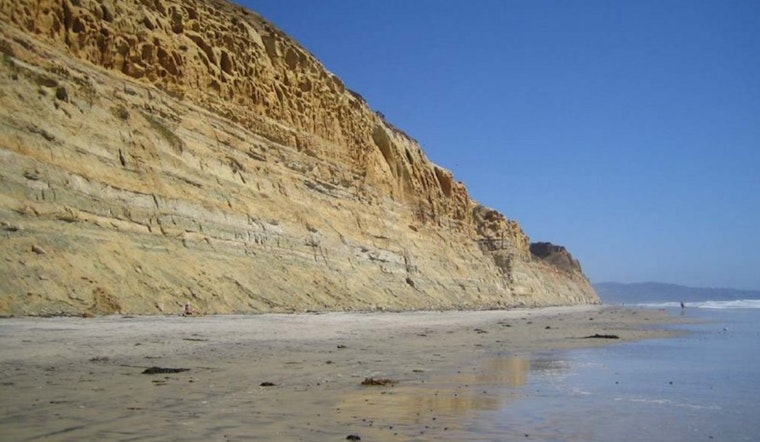
A midweek hike along the Black's Beach trail in San Diego took a grim turn on Wednesday when a local woman came across several dead baby leopard sharks scattered near the path, rattling hikers and beachgoers alike. The unsettling find quickly raised questions about whether pollution, disease or other environmental stressors in the coastal waters might be to blame.
According to CBS8, the woman spotted the carcasses while walking the trail, and her video of the scene sparked concern among neighbors and local environmental watchers. As of the initial report, authorities had not announced a cause for the deaths.
Leopard Sharks Are a La Jolla Staple
Leopard sharks are a familiar sight off La Jolla, where they commonly gather in shallow nearshore waters. Researchers at the Scripps Institution of Oceanography have documented seasonal, site-specific aggregations that are believed to be tied to gestation and pupping, making these animals - and especially their young - a key focus for local marine scientists. The Monterey Bay Aquarium notes that newborn leopard sharks, known as "pups," are generally harmless to people, which means strandings tend to trigger scientific curiosity rather than public panic.
Past Die-offs Complicate the Picture
Mass strandings of leopard sharks have been recorded elsewhere along the California coast, and previous investigations have sometimes traced the events to microscopic protozoan parasites that can disorient sharks and drive them into dangerously shallow water. Reporting and analysis of earlier die-offs are summarized by Bay Nature, while a recent necropsy review in Frontiers in Veterinary Science lists protozoal infections among documented causes of elasmobranch strandings. Scientists stress that necropsies and lab tests are needed before anyone can pin down a definitive cause for what happened at Black's Beach.
What to Do if You Find Dead Marine Life
Officials urge the public not to touch or move dead or injured marine animals. Instead, people are advised to take photos, note the precise location and contact trained responders. NOAA Fisheries runs the West Coast marine mammal stranding hotline and advises reporting strandings at 1-866-767-6114, as listed on the NOAA Fisheries website, and the California Department of Fish and Wildlife maintains an online mortality-reporting portal for other wildlife. Local lifeguards or state park rangers can also be alerted so they can coordinate a response and arrange necropsies when appropriate.
No official necropsy results have been released yet, and both community members and scientists say they are waiting to hear more from state wildlife biologists. As agencies investigate, the public is being asked to report any additional sightings of dead sharks or other animals instead of handling carcasses themselves. CBS8 first brought the discovery to broader attention.



