

























































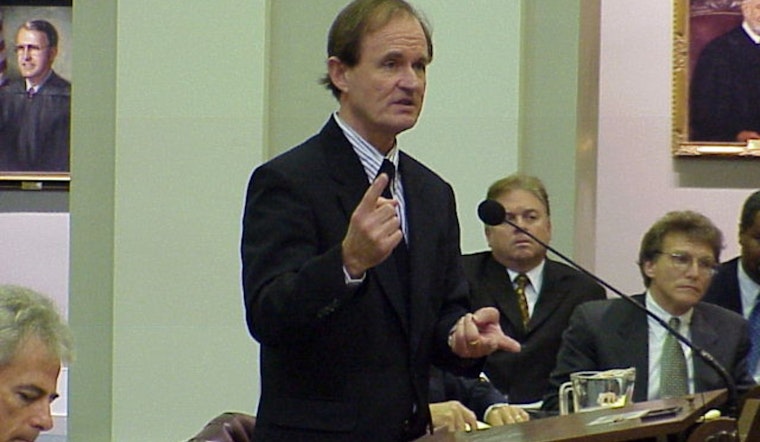
David Boies's legal team is not exactly shy about putting a price on victory. Today, his lawyers asked a federal judge in San Francisco to award about $147 million in attorneys' fees after jurors found Google liable for collecting app-activity data from users who had turned off a tracking setting. The request is the latest chapter in a high-stakes privacy case that has kept the post-trial fight alive long after last year's verdict.
What Plaintiffs Are Asking
In their latest filing, the plaintiffs asked U.S. District Judge Richard Seeborg to sign off on a fee award equal to roughly one-third of the jury's compensatory damages, which works out to about $147 million. They also want a multiplier applied to the firms' lodestar, arguing that the teams devoted roughly 49,670 hours to the litigation.
The motion details lead lawyers' billing rates, listing David Boies at $2,730 an hour, Shawn Rabin at $2,500, John Yanchunis at $2,400 and Bill Carmody at $4,000 an hour. It says Boies alone logged more than 1,425 hours. With interest and post-trial additions, the total judgment has climbed to more than $440 million, as reported by Reuters.
Judge's Rulings And Background
A jury in September awarded about $425.7 million in compensatory damages to a class of roughly 98 million users, according to the court's post-trial order. Chief Judge Richard Seeborg's order denied Google's bid to decertify the class and rejected a push for broad equitable relief, while explaining the mixed verdict that emerged from trial and the narrower remedial posture the court will now consider.
The decision and its factual background, which lay out how the privacy claims wound up in front of a Bay Area jury, are detailed in the court order available on Justia.
Google's Response And Next Steps
Google has denied any wrongdoing and has made clear it plans to appeal the verdict. A hearing on the plaintiffs' fee motion is set for August 13, 2026, in San Francisco federal court, where the size of the potential payout to class counsel is likely to draw as much attention as the underlying privacy findings.
As noted by Reuters, the motion seeks roughly one-third of the judgment and asks the court to award a multiplier on top of the lodestar totals, a combination that could translate into a very large payday if the judge signs off.
Legal Implications
If Judge Seeborg approves a one-third fee award, class counsel would walk away with a significant slice of the overall recovery, the kind of result that often invites objections and careful judicial scrutiny. Courts typically weigh lodestar calculations, prevailing market billing rates, the quality of representation, and the benefit delivered to the class when ruling on fee requests, and they can trim numbers that look out of proportion to the outcome.
The decision here will be closely watched by privacy litigators and Bay Area firms, since it could influence how contingency teams staff, budget, and price future tech data cases headed for federal court in San Francisco.





.jpg)