

























































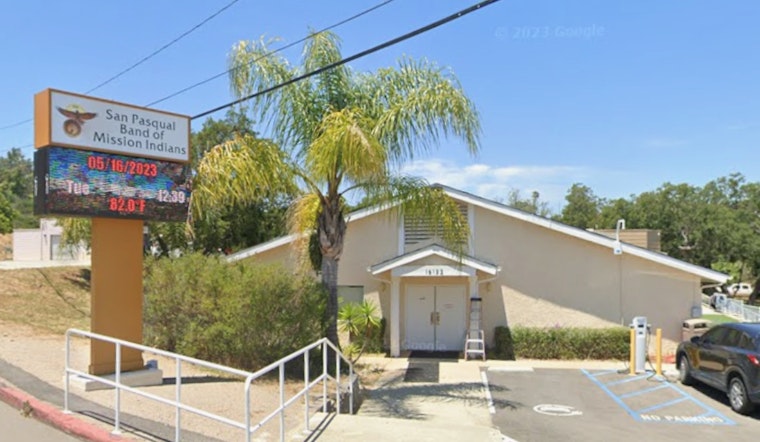
Tribal monitors with the San Pasqual Band of Mission Indians say what started as routine grading work at the Hidden Valley Ranch development in Poway has turned into a fight over sacred ground. They report uncovering human remains and cultural artifacts at the site and are now demanding that work be halted on part of the property. The discoveries, first reported in October and then again twice this month, include a jawbone buried beneath ancient grinding stones and skeletal material the monitors identify as an infant, an adolescent, and an adult. Tribal representatives say the pattern of finds points to a broader burial landscape, and they want full protection and access to what they describe as ancestral ground before construction moves forward.
Monitors recounted the discoveries at the 420-acre Hidden Valley Ranch site on the east side of Old Coach Road, a project approved for 41 single-family homes that is currently in the grading phase, according to the Times of San Diego. Along with the jawbone found beneath grinding stones, the tribe says other artifacts suggest the land has long been used for ceremonial purposes. The developer, Shea Homes, could not be reached for comment, and a Poway spokesperson declined to weigh in, according to the outlet.
Michele Fahley, an attorney for the San Pasqual Band, told inewsource that she has found no record that Poway consulted the tribe before approving the subdivision and has asked city staff to produce any documents showing outreach took place. That absence of paperwork looms large because of California’s SB 18, a 2004 law that requires local governments to consult with tribes on land-use planning in certain situations. Guidance on how those rules work is provided by the Governor’s Office of Land Use and Climate Innovation. Tribal officials say early consultation under SB 18 could have identified the area’s cultural sensitivity and helped prevent disturbance of ancestral remains.
Army Corps Balances Targeted Pauses With Ongoing Review
The U.S. Army Corps of Engineers Los Angeles District says it has been meeting with consulting tribes since October and has issued multiple site-specific stop-work requests to the developer, three of which remain in effect. At the same time, the agency says it does not have the federal authority it would need to shut down all activity across the project, the Corps told Times of San Diego. “We recognize the importance of these cultural resources,” Public Affairs Chief Dena M. O’Dell said, adding that the Corps is working with the State Historic Preservation Officer and the Advisory Council on Historic Preservation to meet its obligations under Section 106 of federal historic preservation law.
How Federal and State Rules Come Into Play
Because the Army Corps is a federal agency, its review must comply with Section 106 of the National Historic Preservation Act, which requires federal agencies to identify historic properties and consult with tribes, state historic preservation officers and the public about ways to avoid, minimize or mitigate harm. The Advisory Council on Historic Preservation and the National Park Service lay out how the Section 106 process is supposed to work, including its implementing regulations. On the state side, SB 18 is designed to give tribes a chance to participate early in local land use planning, and that consultation framework forms part of the backdrop to the current dispute. According to state guidance, the Governor’s Office has been updating its SB 18 materials to clarify how consultation is meant to proceed.
What Comes Next at Hidden Valley Ranch
The San Pasqual Band is now pushing for a full stop-work order in order to protect both the remains and what the tribe describes as scores of centuries-old oak trees that are culturally important to the Kumeyaay. “Our ultimate goal is to pay respect to the remains,” Johnny Bear Contreras, chair of the tribe’s cultural committee, told inewsource. For the moment, the Army Corps and other agencies appear to be continuing consultation and review, while the tribe pursues legal and administrative protections. The developer and the city, meanwhile, have not publicly laid out what they plan to do next.



