

























































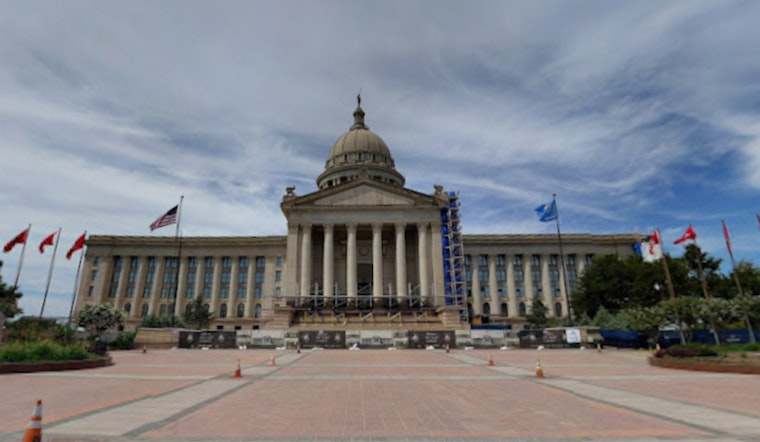
Oklahoma’s fireworks rules just inched closer to getting a major rewrite, with the state Senate signing off on a plan that would give residents more room to light up the sky and give counties less power to stop them, as reported by the Oklahoma Legislature.
On Tuesday, the Senate voted 39-5 to advance Senate Bill 1948, which would limit local bans on private outdoor fireworks shows and adjust when fireworks can be sold to the public. The measure now heads to the Oklahoma House for its turn under the spotlight.
The official record lists the proposal as Senate Bill 1948, with a March 17 roll call of 39 yeas and five nays before the bill was sent on for engrossment, according to the Oklahoma Legislature.
What the Bill Would Change
The floor version of Senate Bill 1948 focuses on when and how Oklahomans can stage fireworks displays on private property and when retailers can legally sell to them.
The bill’s language says counties would lose the power to flat-out ban certain private shows as long as basic conditions are met. The text states:
"No county shall prohibit a private outdoor firework display for a noncommercial purpose, provided that: 1. Such display is located on private property; and 2. No county burn ban is in effect."
In addition to that core restriction on county authority, the measure spells out licensing requirements and retail rules. The floor text keeps state-approved retail sales windows at June 15 to July 6 (or the first Sunday after July 4) and December 15 to January 2, and it sets an effective date of November 1, 2026, according to the Oklahoma Legislature.
Lawmakers’ Defense and Concerns
On the Senate floor, Sen. Bryan Logan, who authored the bill, framed it as a modernization effort rather than a dramatic loosening of the rules. He said the measure "updates Oklahoma’s fireworks laws to better reflect current use and sales practices" and noted that the request originated with a constituent, according to The Oklahoman.
Logan also pointed out that counties and cities would still be able to enforce other local standards, with "things such as noise" ordinances remaining in play, The Oklahoman reported.
Democrats, however, pressed for more limits. Senate Minority Leader Julia Kirt warned that "nothing in the bill prohibits the scale of the fireworks display which could be large," raising the specter of oversized private productions in residential areas. Sen. Carri Hicks argued that the proposal would prevent counties from stepping in ahead of time when no burn ban is active, effectively tying local hands until conditions become dangerous, according to the same reporting.
Supporters Point to Modern Needs; Critics Cite Safety
Supporters cast the bill as a catch-up move that reflects how fireworks are actually used in 2026. Beyond the usual Fourth of July and New Year’s celebrations, lawmakers pointed to stadium productions, graduations, weddings, and other large gatherings that now routinely include pyrotechnic flourishes.
Backers also say the changes could help seasonal fireworks retailers adjust to shifting demand and planning cycles. Lawmakers noted that both commercial and noncommercial uses of fireworks have grown beyond the traditional holiday windows, according to KOCO.
The safety worries from opponents are straightforward: with counties blocked from imposing broader bans outside of burn-ban conditions, they argue, larger and more frequent backyard shows could mean more risk for neighbors and first responders.
For now, the real fireworks will be at the Capitol. The bill moves next to the Oklahoma House, where committee hearings and floor debate will determine whether the proposal reaches the governor’s desk. If lawmakers approve it and it is signed into law, the current version’s effective date would be November 1, 2026.





